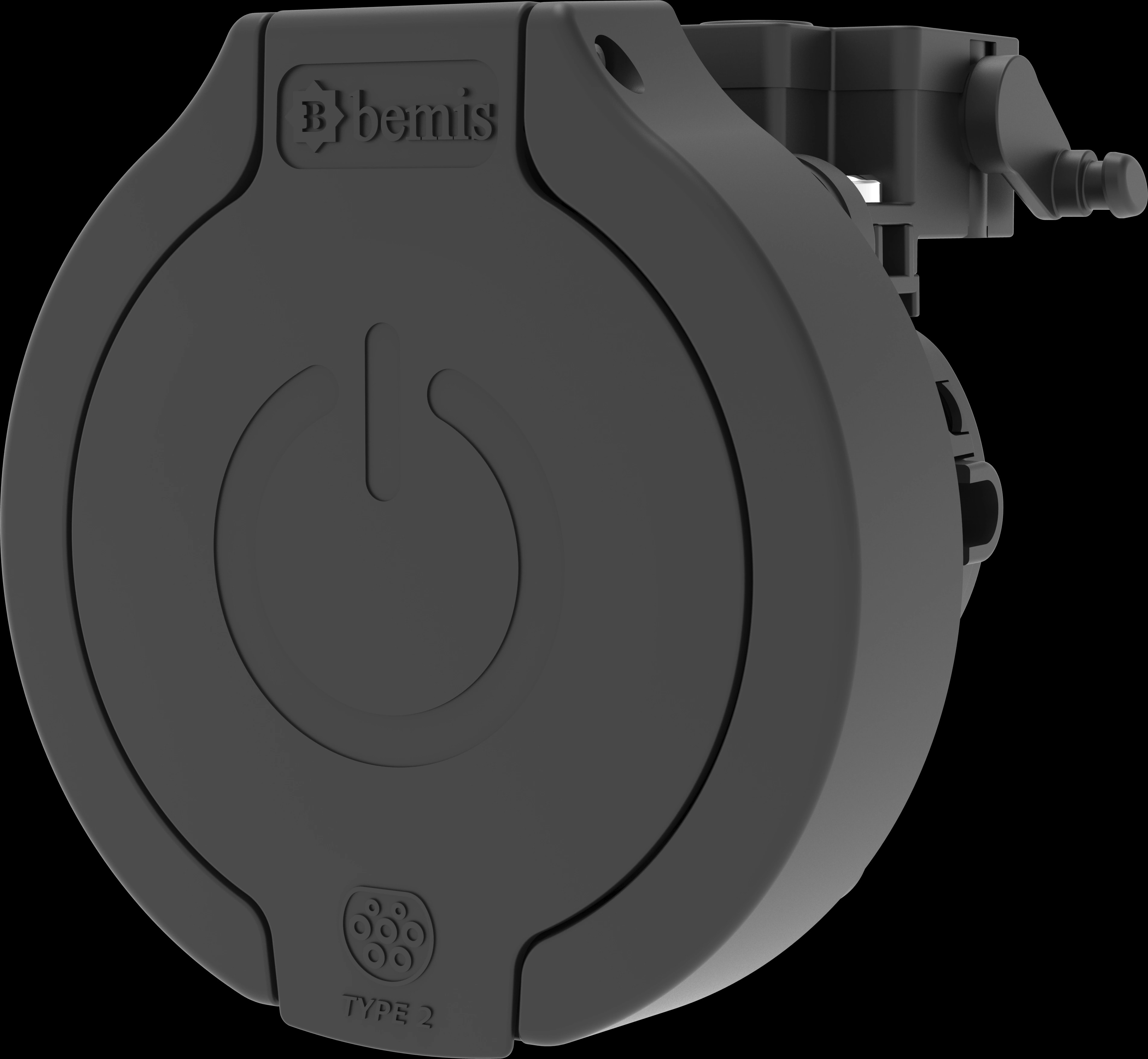
Panel Socket (Without Lock Motor) Three-Phase 22 kW · 3-Point Assembly
This version: Three-phase · 22 kW · 3 Point Mounted · 3-Point Assembly · one of 8 versions
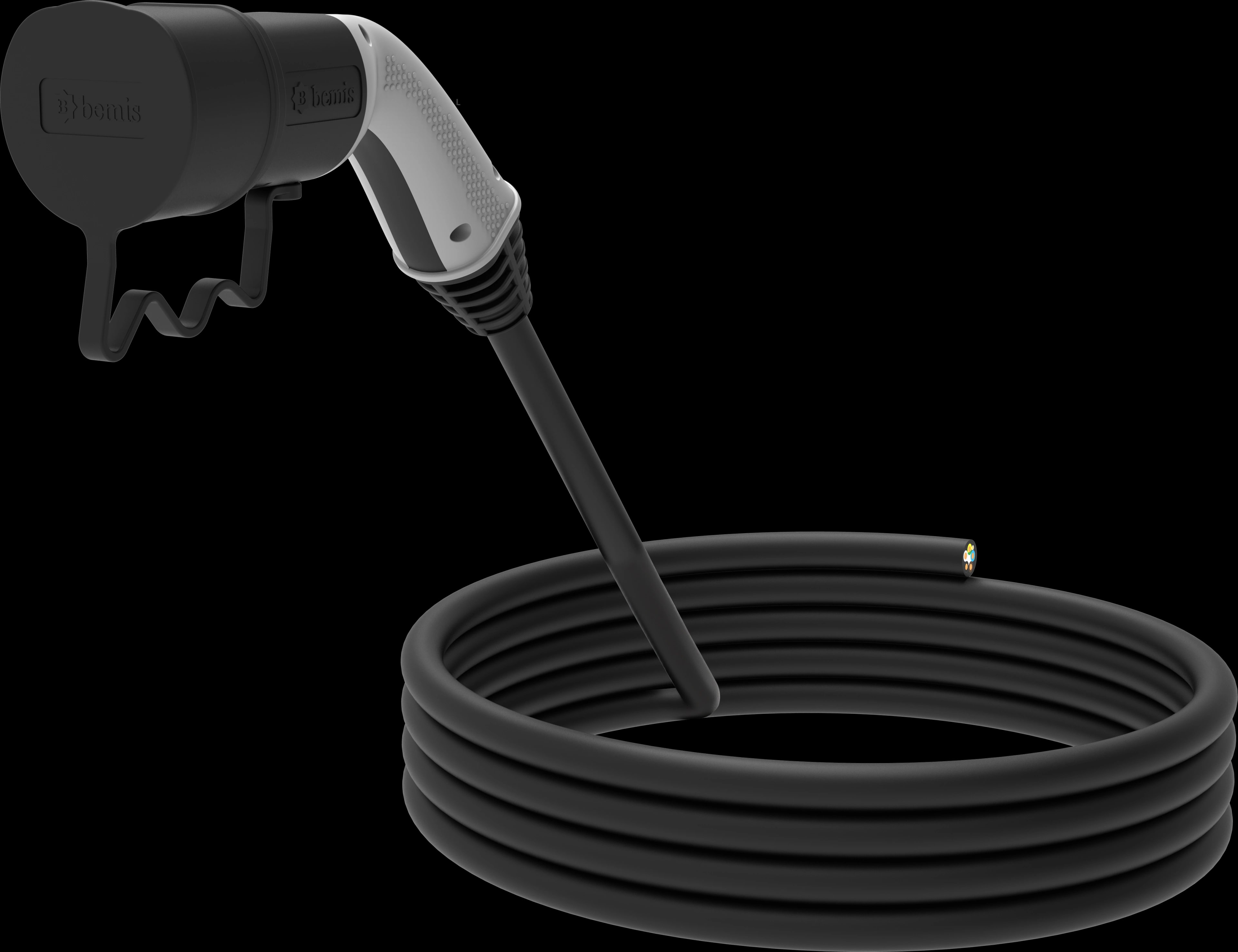
Economical Type 2 panel socket without lock motor. For manufacturer installations that do not require manual locking or whose locking mechanism is supplied separately.
Frequently Asked Questions
What does the Charger Equipment category include?
It includes the professional equipment used in charging station installations: AC and DC charging sockets (Type 2, CCS2), tethered and socketed versions, socket covers, locking mechanisms, optional communication modules and spare parts that can be integrated into a charger. It is used by OEM manufacturers and service providers.
What is the difference between a DC charging socket and an AC charging socket?
AC sockets (Type 2) carry alternating current up to a maximum of 22 kW and have a simple construction. DC sockets (CCS2) carry 50-350 kW of direct current and contain liquid cooling, temperature sensors and thicker conductors. DC sockets are 3-4 times heavier and require special installation.
What does an operator need to set up a charging station?
A transformer connection or sufficient subscribed power, chargers supporting OCPP 1.6J/2.0.1, CPO software for billing and management, and an EPDK licence or a dealer agreement are required. Our Bemis B2B team supports product selection and hardware supply; installation and commissioning are the buyer's responsibility and are carried out in line with the Bemis Installation Procedures.
What is a CCS2 socket?
Combined Charging System 2 (CCS2) is the DC fast-charging standard of the European market. It is a combined design that adds two extra DC pins below the Type 2 AC connector, so both AC and DC charging can be done through the same vehicle socket. It supports power between 50 and 350 kW.
Can a spare socket or cable be replaced?
Yes. The cables and sockets of our Bemis chargers are modular in design; in the event of wear or damage, our authorised service can replace them quickly. We keep stock of special parts such as liquid-cooled CCS2 cables.
Related Products