
Can You Use an EV Charging Cable Outdoors and in the Rain?
One of the questions new electric vehicle owners ask most often is: is it safe to charge my car in an open car park or in the rain? The short answer is yes, because electric vehicle charging equipment is built for outdoor conditions from the outset. But the detail lies in the protection rating of the unit and the cable. In this guide we explain what to watch out for.
Short answer: yes, safe with the right IP protection
Electric vehicle charging is already done largely outdoors (in home gardens, open car parks, roadside stations). That's why chargers, cables and Type 2 connectors are built to be protected against water and dust. The key is that the equipment's 'IP protection rating' is adequate.
What is an IP protection rating?
An IP protection rating is shown by the two digits that follow the letters 'IP'. The first digit indicates resistance to dust, the second to water. On electric vehicle equipment, you'll most often see these values:
- IP54: largely protected against dust, and protected against splashing water (light conditions).
- IP65: dust-tight + protected against water jets from any direction.
- IP66: dust-tight + protected against powerful water jets, ideal for outdoors.
If you're doing a fixed installation in an open car park or a spot exposed to rainfall, choose a unit rated IP65 or higher. Bemis units and cables are manufactured CE-certified and with IP protection.
Tips for safe outdoor use
- Keep the connector's cap closed when you're not using it; don't leave it on the ground.
- Don't use a wet or damaged cable/connector; replace it if there are cracks, cuts or crushing.
- Keep the contact surface as dry as possible when plugging the connector into the car.
- Position the cable so it won't be crushed under a door, wheel or sharp edge.
- Have the installation (particularly a fixed unit) done by a qualified electrician, with earthing and residual-current protection.
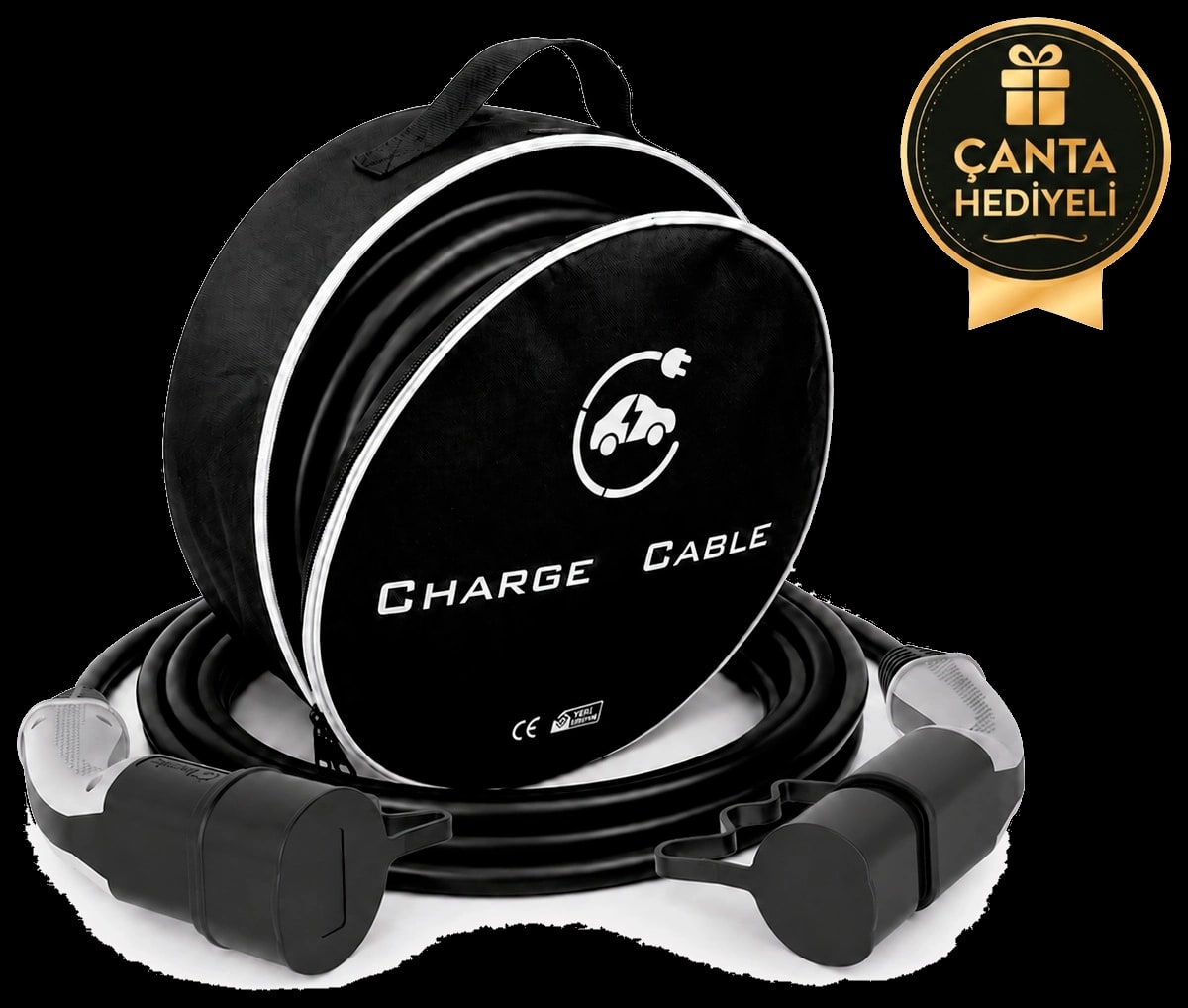
Explore Bemis CE-certified, IP-protected Type 2 charging cables.
Explore Charging CablesFrequently Asked Questions
Can an electric vehicle charging cable be used in the rain?
Yes. Electric vehicle charging cables and connectors are built for outdoor conditions from the outset, protected against water and dust, because most charging is done outdoors anyway. The key to safe use is that the equipment's IP protection rating is adequate: IP65 or higher is recommended for outdoors. When charging in the rain, it's good practice to keep the connector's contact surface as dry as possible, keep the cap closed on the connector when it's not in use, and never use a damaged cable. Follow these rules and charging in wet weather is safe.
What is the difference between IP65 and IP66?
Because the first digit of both is 6, both are fully dust-tight; the difference emerges in the second digit, that is, resistance to water. IP65 provides protection against low-pressure water jets from any direction. IP66 withstands stronger, high-pressure water jets. In practice, both are suitable for open car parks and rainy conditions; IP66 offers an extra safety margin for tougher environments (for example, frequently washed areas or regions with heavy rainfall). For outdoor electric vehicle installations, IP65 is sufficient in most cases, while IP66 is preferred by those who want top-tier protection.
Is a charger waterproof?
An electric vehicle charger with the appropriate IP protection rating is protected against water under normal operating conditions and won't let water in during rain, splashing and similar situations. For example, an IP65-rated unit is dust-tight and withstands water jets from any direction. However, no unit is 'submersible'; you should avoid extreme conditions such as flooding, immersion in standing water or pressure washing. The unit's covers and seals must be intact, and the cable entries must be installed with proper sealing. Bemis units are manufactured CE-certified and with IP protection; even so, having the installation done by a qualified electrician is important for the integrity of that protection.
Can a fixed charging unit be installed in an open car park?
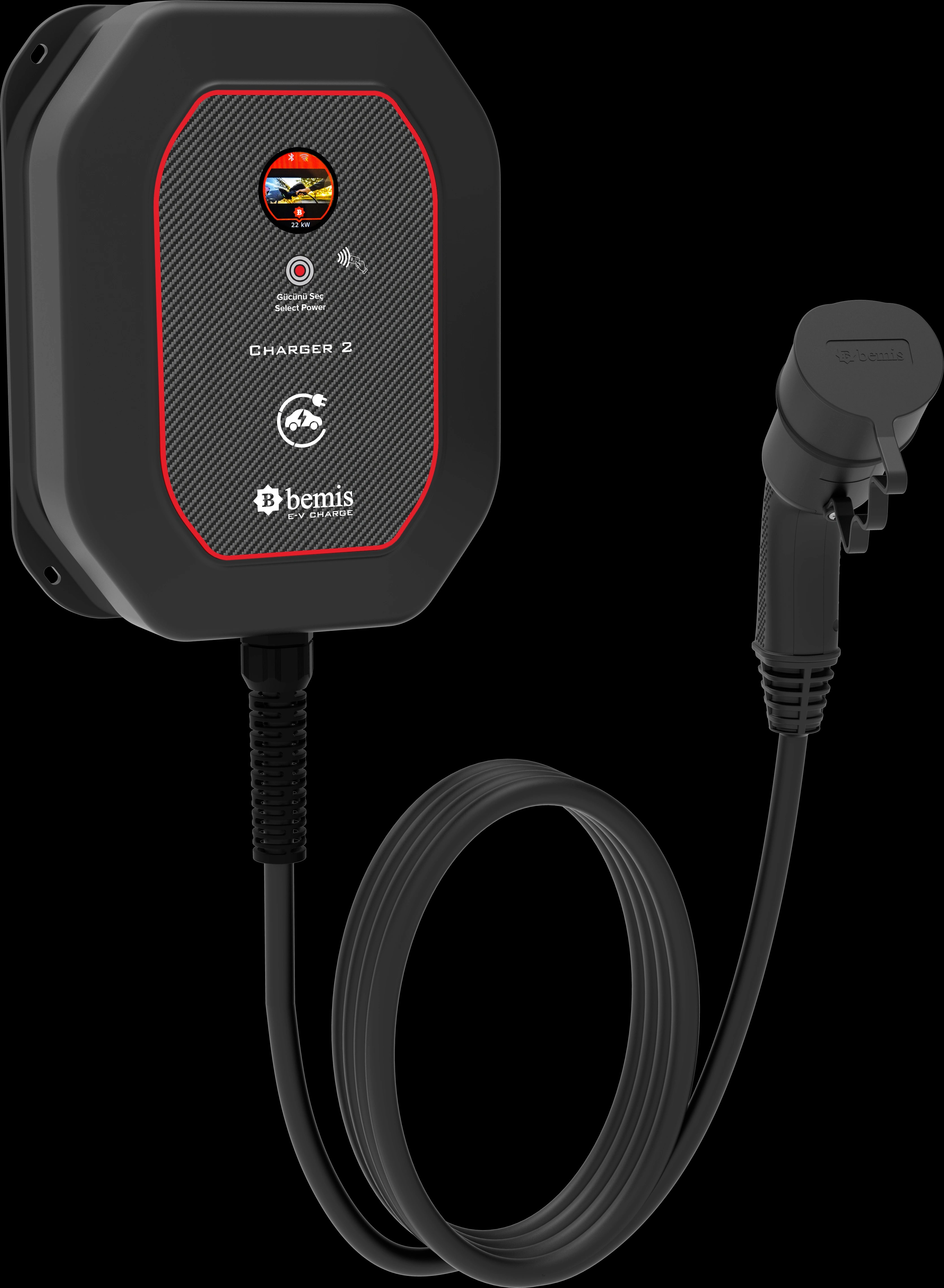
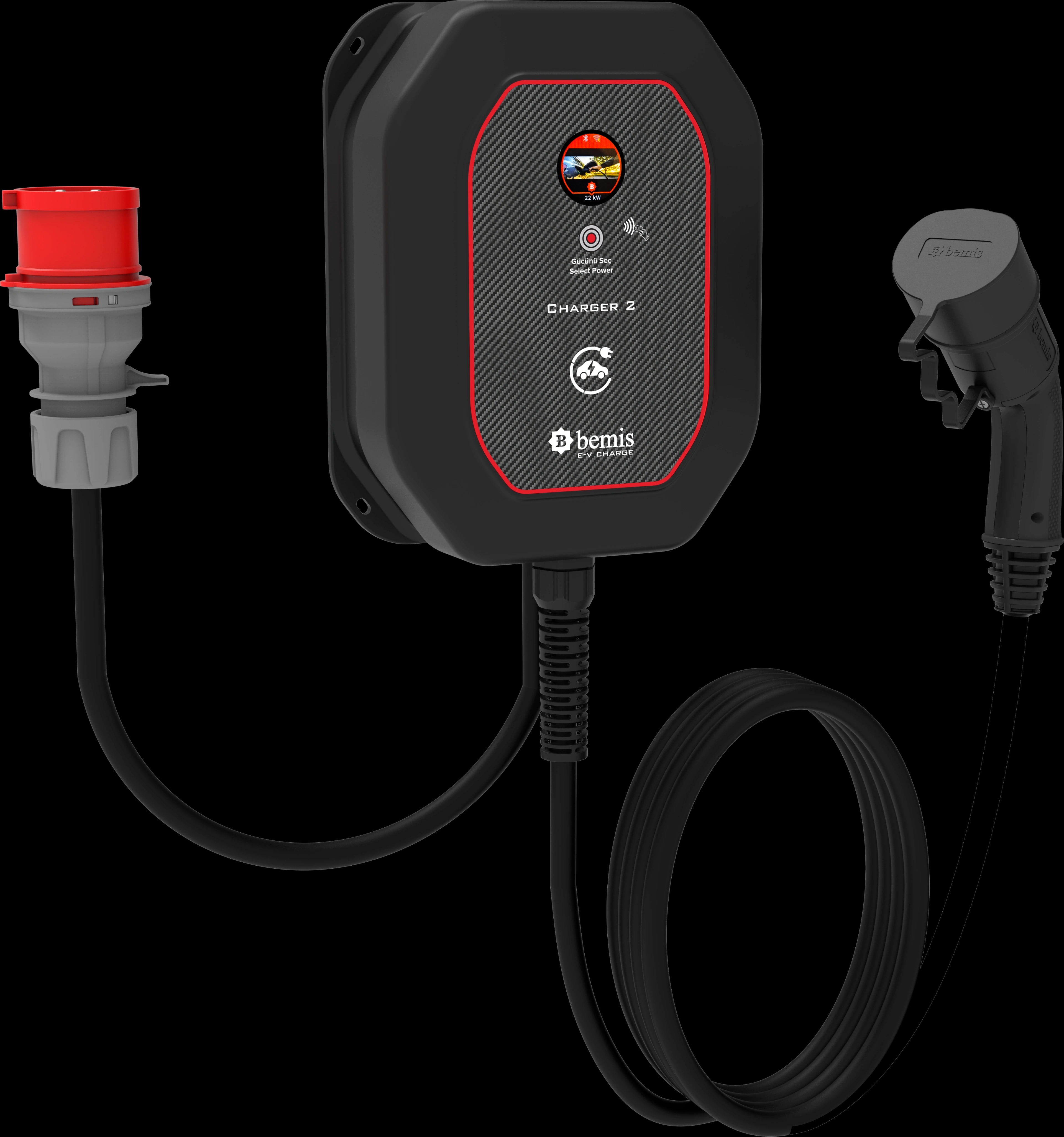
Yes, a fixed charging unit (wallbox) can be installed in open car parks; this is a very common use. What matters is choosing a unit with an IP protection rating suitable for outdoors (ideally IP65 or higher) and installing it correctly. The installation requires a dedicated line, appropriate cable cross-section, a residual-current device and proper earthing, all of which must be planned by a qualified electrician. Where the unit is directly exposed to sun and rainfall, a small canopy extends its life but isn't mandatory. In residential-complex or shared car parks, management permission and the metering arrangement must also be planned in advance.
Featured Products
Solutions we manufacture in our own facility, related to this guide.
Let's choose the right product together
Not sure which product fits your vehicle and electrical installation? Get in touch and our authorised dealer or sales team will guide you.
- Manufacturing in our own facility since 1994
- CE-certified product family
- 2-year manufacturer warranty
- +90 542 773 72 94 trade@bemis.com.tr
