
Home Charging Station Cost: The 6 Factors That Determine the Price
The cost of a home electric vehicle charging station cannot be summed up in a single figure, because it depends on many factors, from the power of the device to the condition of your installation. In this guide, we explain the main headings that determine the price in plain language, and cover what you should keep in mind to plan your budget correctly. For a current price and quote, you can reach us through our product page.
1) The power of the device (kW)
Chargers typically range from 7.4 kW (single phase) to 22 kW (three phase). Higher power means faster charging, but it requires your installation to be three-phase. For most home users, 7.4–11 kW is more than sufficient for overnight charging; excessive power increases both device and infrastructure cost.
2) Tethered or socketed?
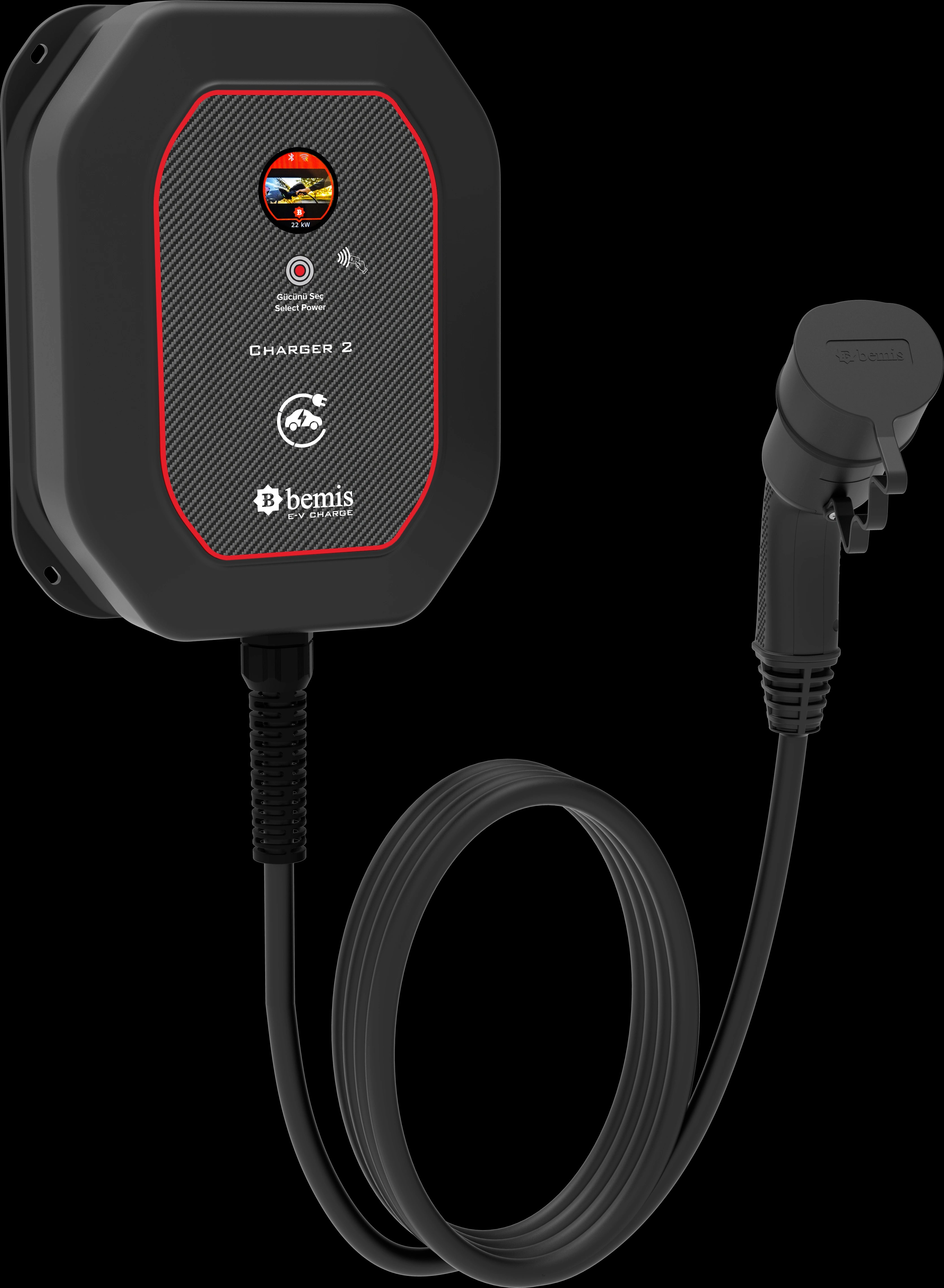
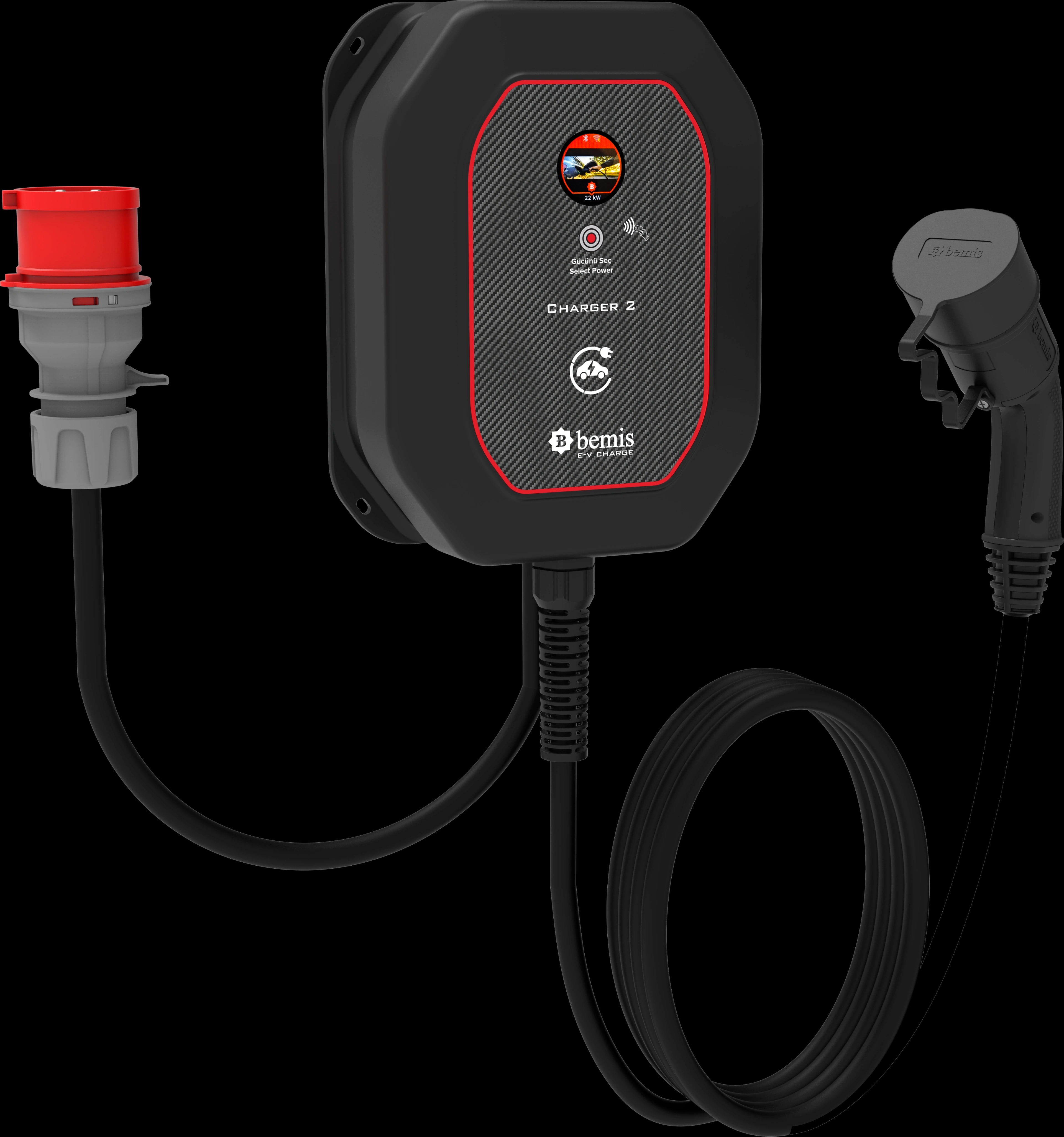
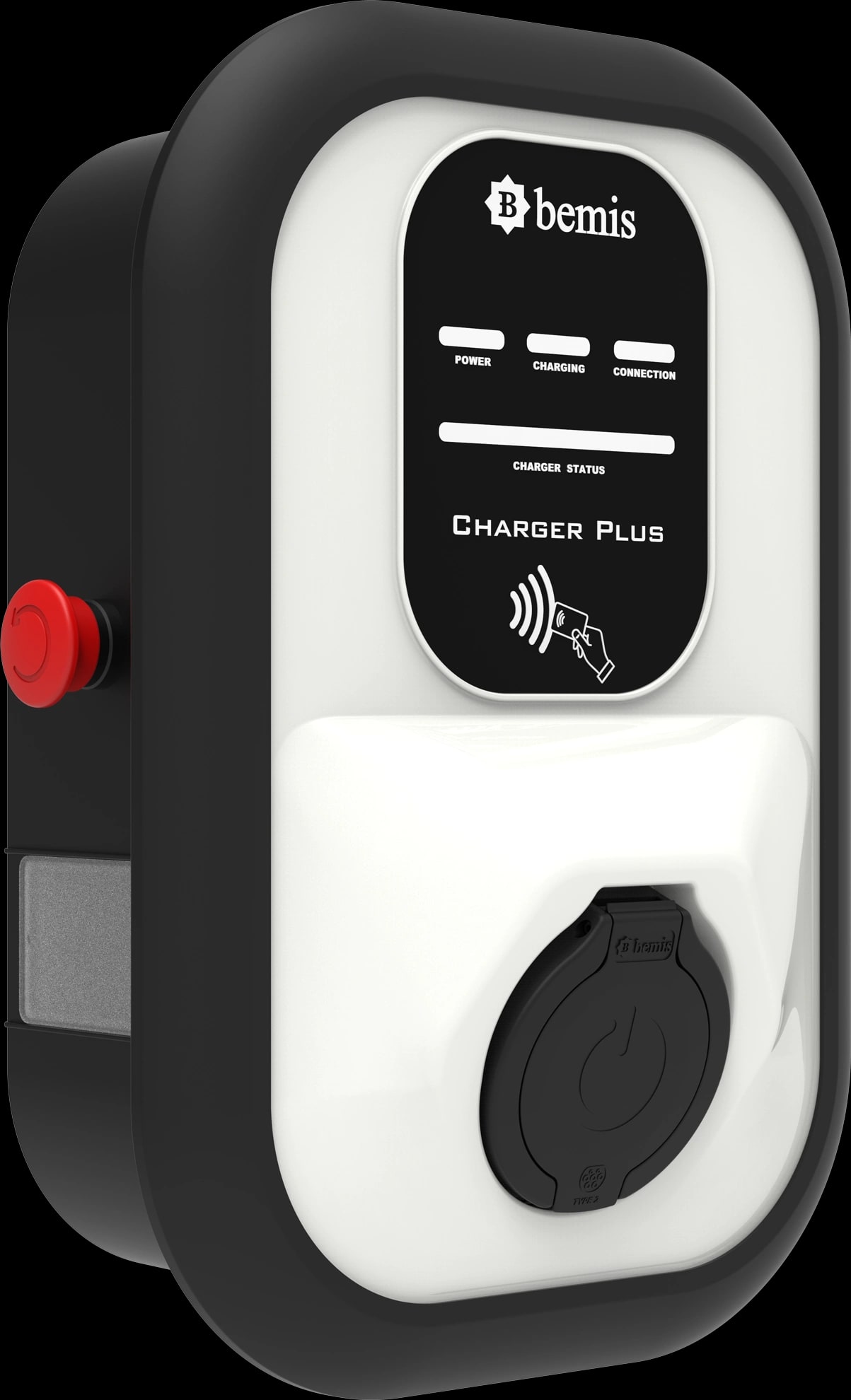
Fixed tethered models are practical: you plug in the cable and start charging. With socketed models, you carry the cable separately; this provides flexibility for different vehicles. Cable length and quality also affect the total cost.
3) Smart features (OCPP, app, load management)
A basic device only charges; a smart device offers app control, user identification (RFID), remote monitoring and load management via OCPP. In residential-complex and workplace installations, these features are required for user-based billing and determine the device class.
4) Protection class (IP65 / IP66)
For a device to be installed outdoors, a high protection class against dust and water (IP65/IP66) is essential. Cheap devices with low protection have a short service life outdoors and prove more expensive in the long run.
5) Installation and electrical infrastructure
Alongside the device price, factor in the installation item too: running cable from the panel to the device, a residual current device (RCD), a fuse, and panel reinforcement if needed. The distance of the car park from the panel and the condition of the existing installation are the factors that most affect the installation cost.
6) From the manufacturer or from a reseller?
Where you buy the device affects after-sales service as well as the price. When you buy directly from the manufacturer, technical support, spare parts and warranty come straight from the source, so you do not wait long for service. Bemis E-V Charge produces everything from hardware to software at its own facility in Bursa and supports its products with technical service and spare parts.
What determines the price of a home charging station in 2026?
The price cannot be reduced to a single figure; within the same series the tethered and the socket version, fixed and adjustable power, the GSM module and the MID meter are separate line items. Bemis products are sold through the authorised dealer network, while installation is the buyer's responsibility: during the site survey a licensed electrician clarifies the installation items (cable run length, cable cross-section, breaker and distribution board work) and quotes separately for an installation in line with the Bemis Installation Procedures. When comparing offers, ask for the device price and the installation-inclusive total separately; the biggest difference usually appears on the installation side.
Get a device quotation from your nearest authorised dealer and an installation quotation from a licensed electrician.
Find a dealerSo how much is the electricity expense?
The device is a one-time investment; the real recurring expense is the electricity spent on charging. You can find your approximate cost per km by multiplying the kWh your vehicle consumes per 100 km by the unit electricity price at home. Overnight charging at home is generally noticeably more economical than public DC fast charging.
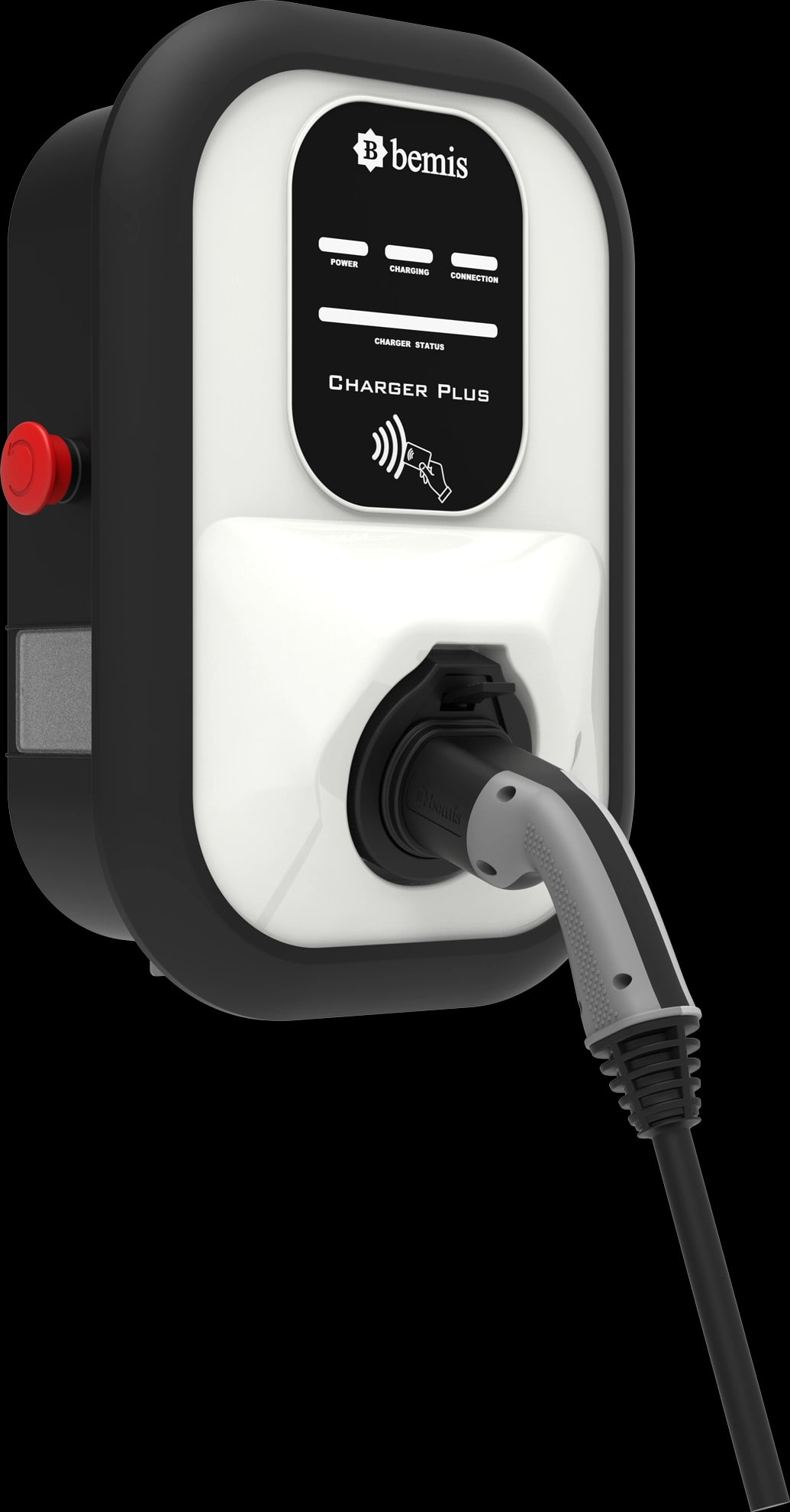
Explore our in-house manufactured AC Wallbox models for home and workplace, and request a quote.
AC Wallbox ModelsFrequently Asked Questions
How much is a home charging station?
The cost of a home charging station cannot be summed up in a single figure, because the price is determined by many factors together. Chief among them are the power of the device (7.4–22 kW), whether it is tethered or socketed, smart features such as OCPP/app/load management, the protection class (IP65/IP66), and the installation conditions. Whether you buy the device directly from the manufacturer or from a reseller also affects the cost. That is why, to plan the budget correctly, you need to clarify the features that suit your needs. For a current price and quote tailored to you, you can get in touch through our product page.
Is charging at home or fast charging out and about cheaper?
For daily use, AC charging done overnight at home is generally noticeably more economical than public DC fast charging. The device is a one-time investment; the real recurring expense is the electricity spent on charging. To find your approximate cost per km, you can multiply the kWh your vehicle consumes per 100 km by the unit electricity price at home. DC fast charging, on the other hand, is mainly ideal for long journeys; its speed is high, but it proves more expensive than slow charging at home in a daily routine. For this reason, the smartest approach is to use home charging for daily needs and fast charging on the road.
How many kW device should I buy?
Chargers typically range from 7.4 kW (single phase) to 22 kW (three phase). For most home users, 7.4–11 kW is more than sufficient for overnight charging; the car is full by morning. Faster charging is possible at 22 kW, but this requires your installation to be three-phase. Choosing more power than you need unnecessarily increases both the device and electrical infrastructure cost. That is why first assessing your daily charging need and whether your installation is single or three phase is the soundest way to choose the right, economical power rating.
Apart from the device price, what does the installation cost depend on?
Alongside the device price, you need to factor in the installation item too. The installation cost is determined by the cable to be run from the panel to the device, the residual current device (RCD), the fuse, and panel reinforcement if needed. Among these items, the factor that most affects the cost is the distance of the car park from the panel and the condition of the existing installation; the farther the panel is from the device and the more inadequate the installation, the more the installation cost rises. For an outdoor installation, an IP65/IP66 protection class device is also essential. For proper planning, assessing the device and installation cost together from the outset prevents budget surprises.
Why is there a price difference between a smart charger and a basic device?
A basic device only charges; a smart device, on the other hand, offers features such as app control, user identification (RFID), remote monitoring and load management via OCPP. These capabilities determine the class of the device and therefore its price. For a home user, a basic or mid-level device is often sufficient. In residential-complex and workplace installations, however, smart features are almost mandatory; because user-based billing, remote monitoring and load management that shares the existing electrical capacity are made possible by these features. Determining the need correctly prevents paying for features you do not need.
Featured Products
Solutions we manufacture in our own facility, related to this guide.
Let's choose the right product together
Not sure which product fits your vehicle and electrical installation? Get in touch and our authorised dealer or sales team will guide you.
- Manufacturing in our own facility since 1994
- CE-certified product family
- 2-year manufacturer warranty
- +90 542 773 72 94 trade@bemis.com.tr
