
What Is the Difference Between AC and DC Charging? A Home and Station Guide
AC charging means the alternating current from the grid is converted into direct current by the charger built into the vehicle (the onboard charger) and then fed to the battery; the wallboxes and portable chargers used at home and at work charge with AC, at 3.7–22 kW. DC charging means the conversion happens inside the station and direct current is fed straight to the battery; roadside fast-charging stations operate at 40–200 kW and above. The difference is where the conversion takes place, and the speed and cost that follow from it.
The most commonly confused topic in EV charging is the distinction between AC and DC. Both serve the same purpose (filling the battery), but they work in completely different ways, at different speeds, and in different places. This guide compares the two in plain language so you can choose the right equipment.
What is AC charging?
In AC (alternating current) charging, electricity arrives at the vehicle from the grid as alternating current; the vehicle's on-board charger converts this into the direct current (DC) the battery can use. In other words, the conversion happens inside the vehicle. This is why AC charging speed is limited by the capacity of the vehicle's on-board charger, typically between 7.4 kW (single phase) and 11–22 kW (three phase).
Where is it used?
Places where the vehicle is parked for a long time, such as homes, workplaces, car parks and shopping centres. The hardware is relatively simple and affordable; it is ideal for charging overnight in everyday use.
What is DC fast charging?
In DC (direct current) charging, the conversion is done inside the station; the unit converts the grid's AC into DC and feeds it directly to the battery, bypassing the vehicle's on-board charger. As a result, it can reach far higher power levels (from 50 kW up to 350 kW) and refill a significant share of the battery within minutes.
Where is it used?
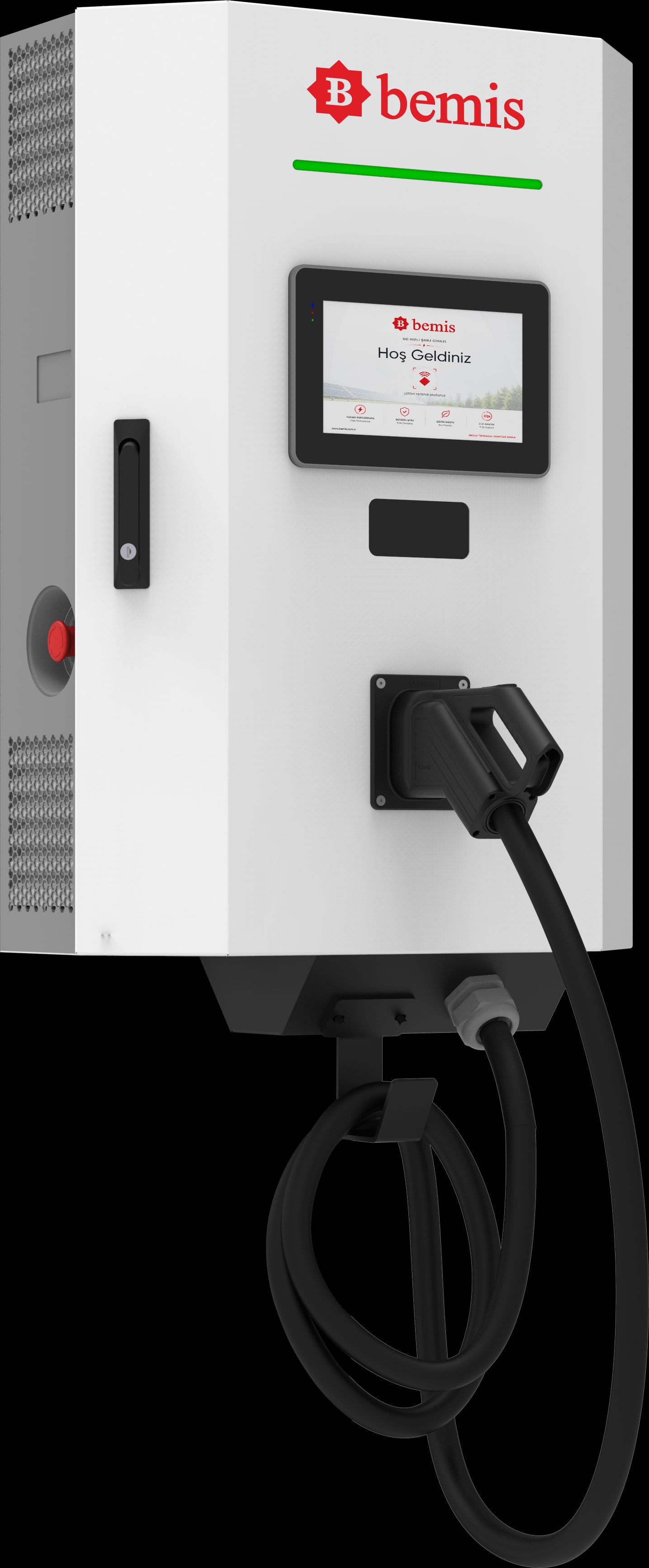
Motorway service areas, urban fast-charging points, fleets and commercial operations. The hardware is more complex and costly; it suits the 'quick top-up in 20 minutes to get back on the road' scenario.
Summary comparison
| Feature | AC Charging | DC Fast Charging |
|---|---|---|
| AC-to-DC conversion | Inside the vehicle (on-board charger) | Inside the station |
| Typical power | 7.4 kW (single phase) – 22 kW (three phase) | 50–350+ kW |
| What limits the speed | The vehicle's on-board charger | Station + battery acceptance |
| Connector (Turkey / Europe) | Type 2 | CCS2 |
| Typical use | Home, workplace (long parking) | Road, fleet (quick top-up) |
| Cost / installation | Affordable, simple infrastructure | High, heavy-duty infrastructure |
| For the battery | Gentler for daily charging | Ideal occasionally / when needed |
A practical rule: charge slowly and cheaply with AC at home or work every day; use DC fast charging on long journeys.
Which one for the home?
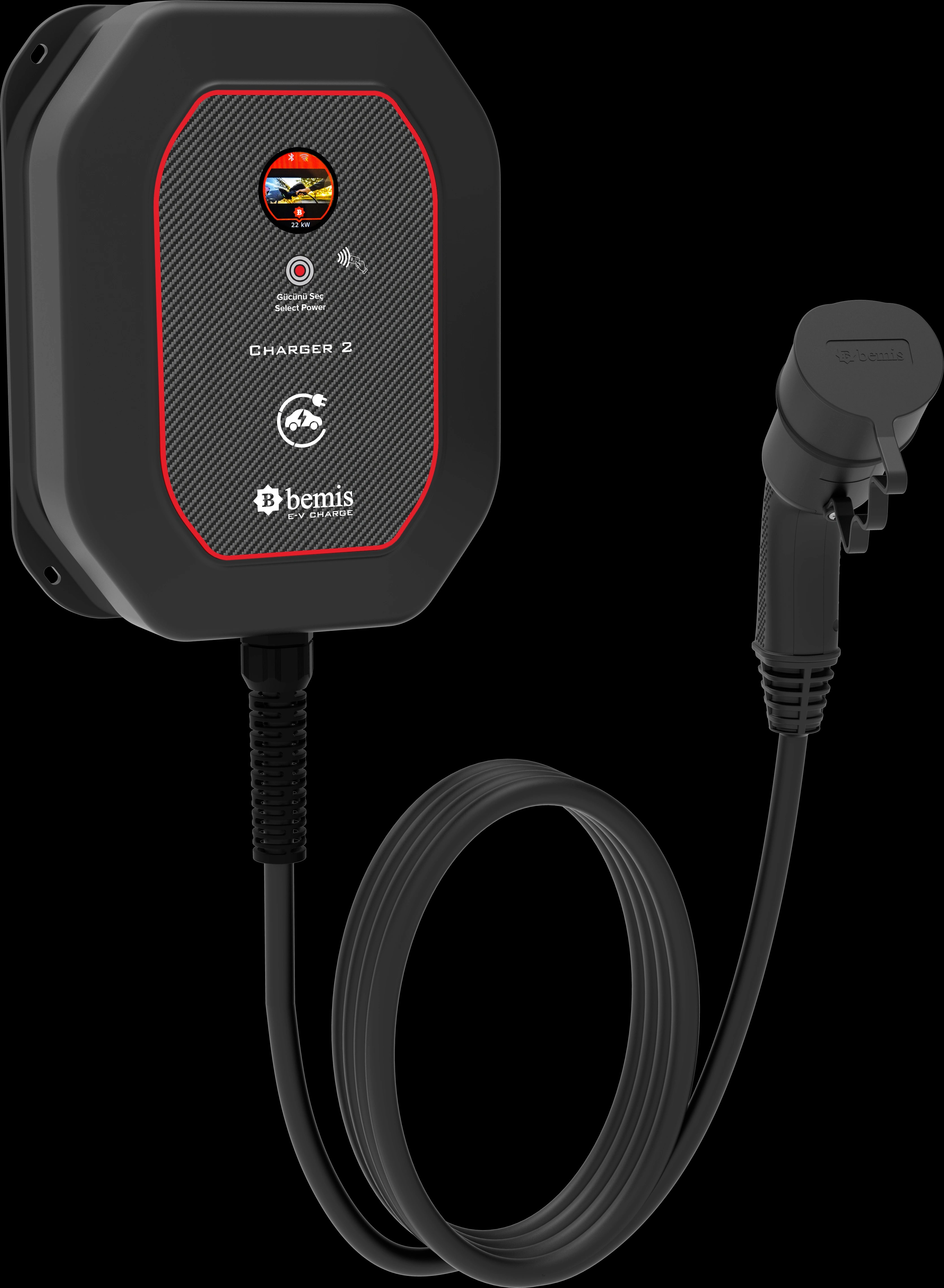
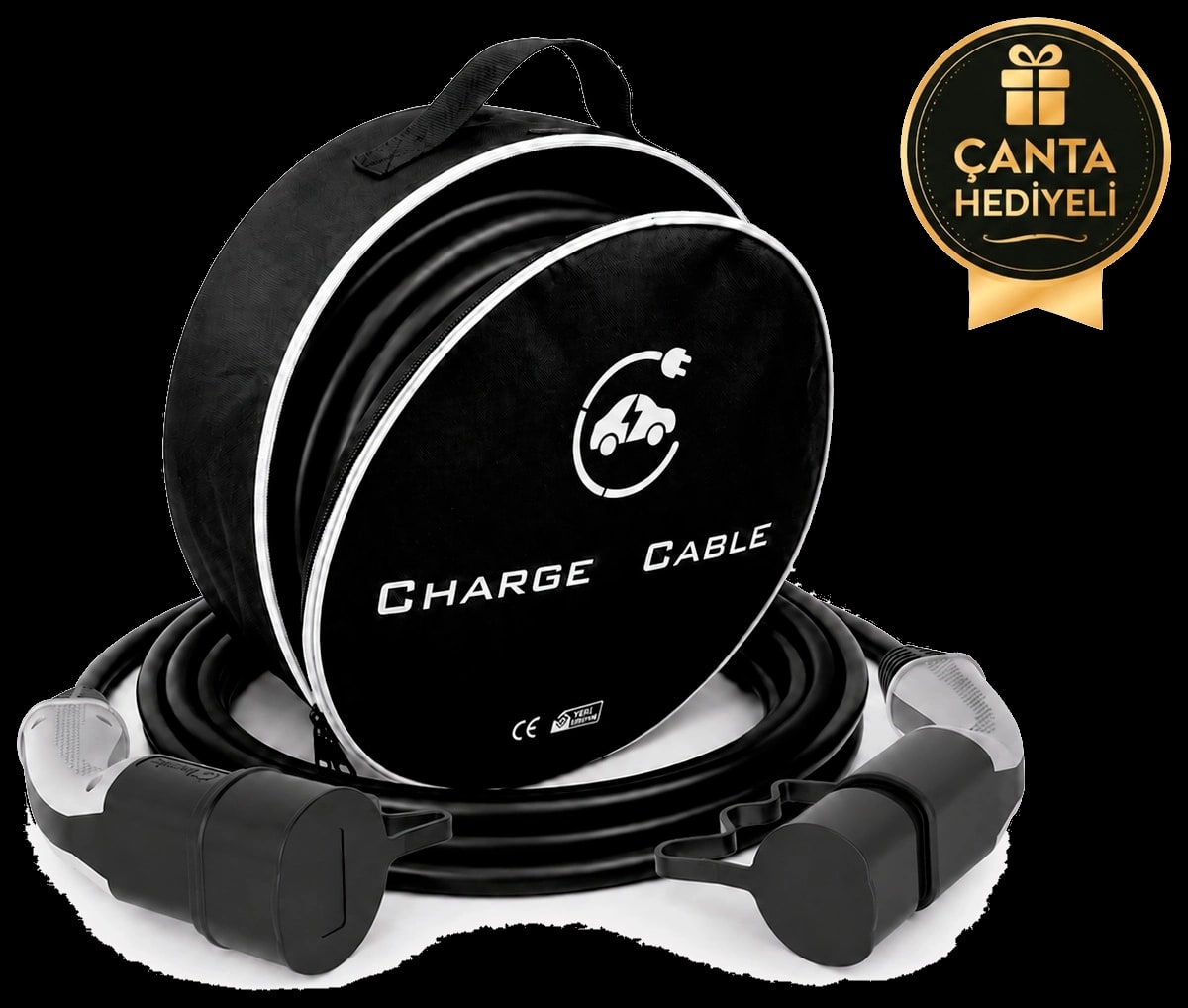
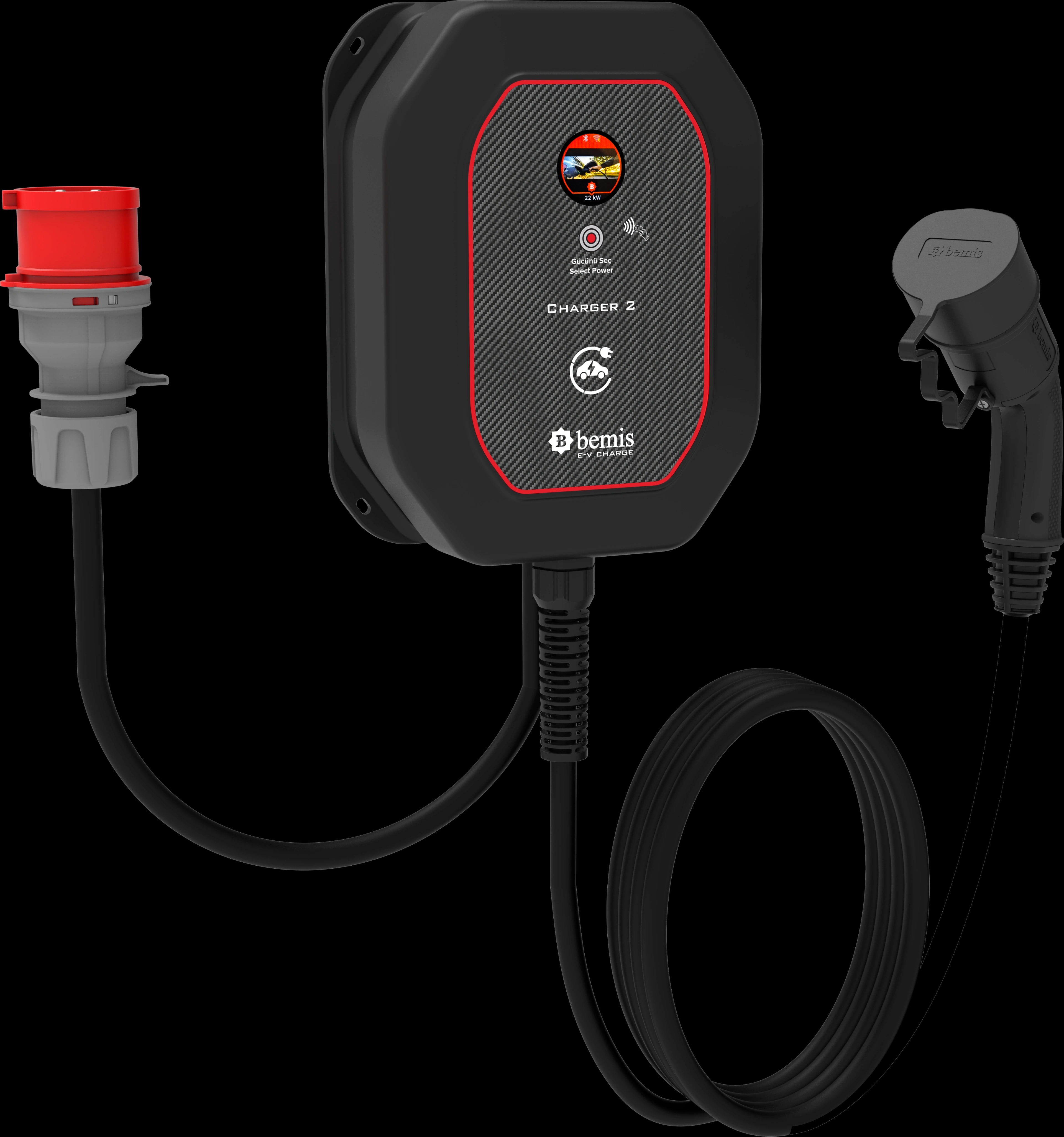
At home, the right choice is almost always an AC Wallbox: your vehicle charges overnight while parked, and the hardware and installation costs are reasonable. DC fast charging at home is both very expensive and unnecessary. Bemis's AC Wallbox and portable chargers are designed precisely for this everyday use.
Explore the AC Wallbox models for home and workplace, manufactured in-house and OCPP compatible.
AC Wallbox ModelsFrequently Asked Questions
What is the fundamental difference between AC and DC charging?
The difference is where the current conversion takes place. In AC (alternating current) charging, electricity arrives at the vehicle from the grid as alternating current, and the vehicle's on-board charger converts it into the direct current the battery can use; the conversion happens in the vehicle, which is why the speed is limited by the vehicle's charger (typically 7.4 kW single phase, 11–22 kW three phase). In DC (direct current) charging, the conversion is done inside the station instead: the unit feeds DC directly to the battery and bypasses the vehicle's charger; this lets it reach far higher power (50–350+ kW) and refill a significant share of the battery within minutes. So both serve the same purpose, but their operation and speeds are completely different.
Should I get AC or DC for my home?
For the home, the right choice is almost always an AC Wallbox. Your vehicle charges comfortably overnight while parked, the hardware and installation costs are reasonable, and it is more than enough for everyday use. DC fast charging is both very expensive and unnecessary for a home; its hardware is more complex and costly, and you simply do not need the speed it delivers at home. DC is intended more for motorway service areas, fleets and commercial use. The practical rule is this: charge slowly and cheaply with AC at home every day. Bemis's AC Wallbox and portable chargers are designed precisely for this everyday home use; they are manufactured in-house and OCPP compatible.
Does DC fast charging damage the battery?
Using DC fast charging occasionally is not a problem; a quick top-up in 20 minutes to get back on the road on a long journey is exactly what it is for. However, rather than charging only with DC every day, doing your daily charging with AC is better for battery health; daily AC charging is gentler on the battery. The practical rule is this: charge slowly and economically with AC at home or work every day, and use DC fast charging only when needed, especially on long journeys. This balanced approach is ideal for both convenience and battery life.
How big is the difference in AC and DC charging speeds?
The power ranges are markedly different. AC charging typically runs between 7.4 kW (single phase) and 11–22 kW (three phase), and this speed is limited by the capacity of the vehicle's on-board charger; you cannot exceed the power the charger accepts. DC fast charging, on the other hand, can reach from 50 kW up to 350 kW, because the conversion is done in the station and it feeds the battery directly, bypassing the vehicle's charger. As a result, DC refills a significant share of the battery within minutes, whereas AC suits overnight charging in places where the vehicle is parked for a long time. This speed difference also determines where each one is used.
Where are AC and DC charging used?
AC charging suits places where the vehicle is parked for a long time: homes, workplaces, car parks and shopping centres. Its hardware is relatively simple and affordable, and it is ideal for overnight charging in everyday use. DC fast charging, on the other hand, is designed for motorway service areas, urban fast-charging points, and fleet and commercial operations; its hardware is more complex and costly. In short, AC is for economical charging over long parking periods, while DC is for quick top-ups on the road. When choosing the right equipment, where the vehicle is parked and for how long is the deciding factor.
Featured Products
Solutions we manufacture in our own facility, related to this guide.
Let's choose the right product together
Not sure which product fits your vehicle and electrical installation? Get in touch and our authorised dealer or sales team will guide you.
- Manufacturing in our own facility since 1994
- CE-certified product family
- 2-year manufacturer warranty
- +90 542 773 72 94 trade@bemis.com.tr
