Charging Station Maintenance and Periodic Checks
A charging station is at its best on the day it is installed; what wears it down afterwards is not electricity but use. The connector is plugged in and pulled out every day, the cable drops to the ground, the lid gasket cycles between sun and cold. This article gives the practical checklist that applies to everything from a home wallbox to a unit in a shared car park. Every step that involves electrical work belongs to a qualified person; the list below explains what to watch, not how to open the device.
The part that wears most: connector and cable
The only moving part of a charger is the connector, and most faults start there. What to look for is clear: darkening or burn marks on the pins, cracks in the plastic housing, a loose locking latch, crushing or cuts in the cable sheath. Check the point where the cable enters the unit and the point where it enters the connector with particular care, because that is where the cable bends most. If the connector falls to the ground, using a holster noticeably reduces this wear.
The protection side: residual current device and distribution board
The way to confirm that the residual current device protecting the charging circuit still works is the test button on it; pressing it should trip the device. This is a simple check that can be done without opening the unit and that electricians recommend at regular intervals. On the board side, a qualified person checks whether terminal connections have loosened and whether there are signs of heating; a loose connection heats up over time and produces a fault.
Water and dust on outdoor units
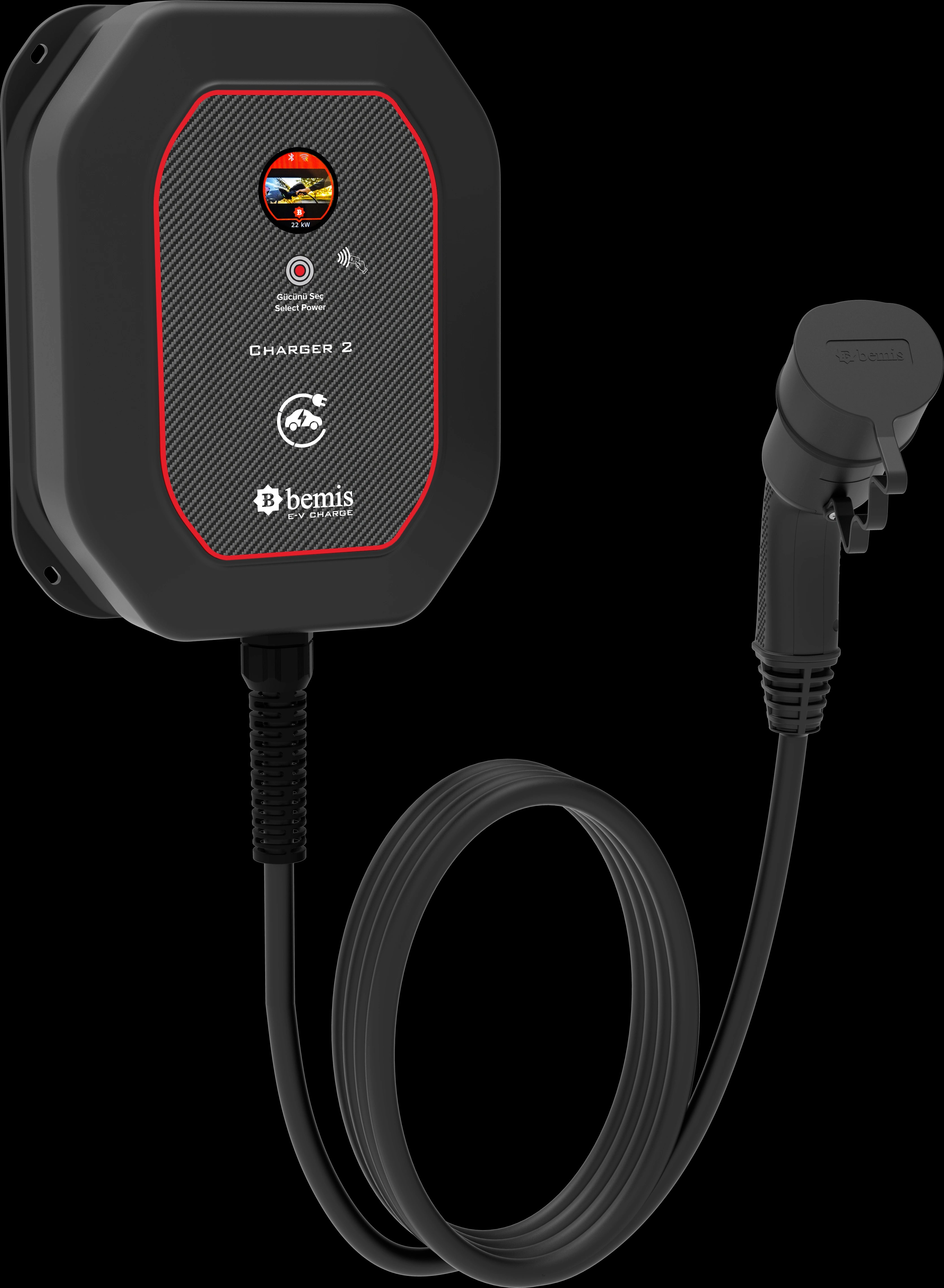
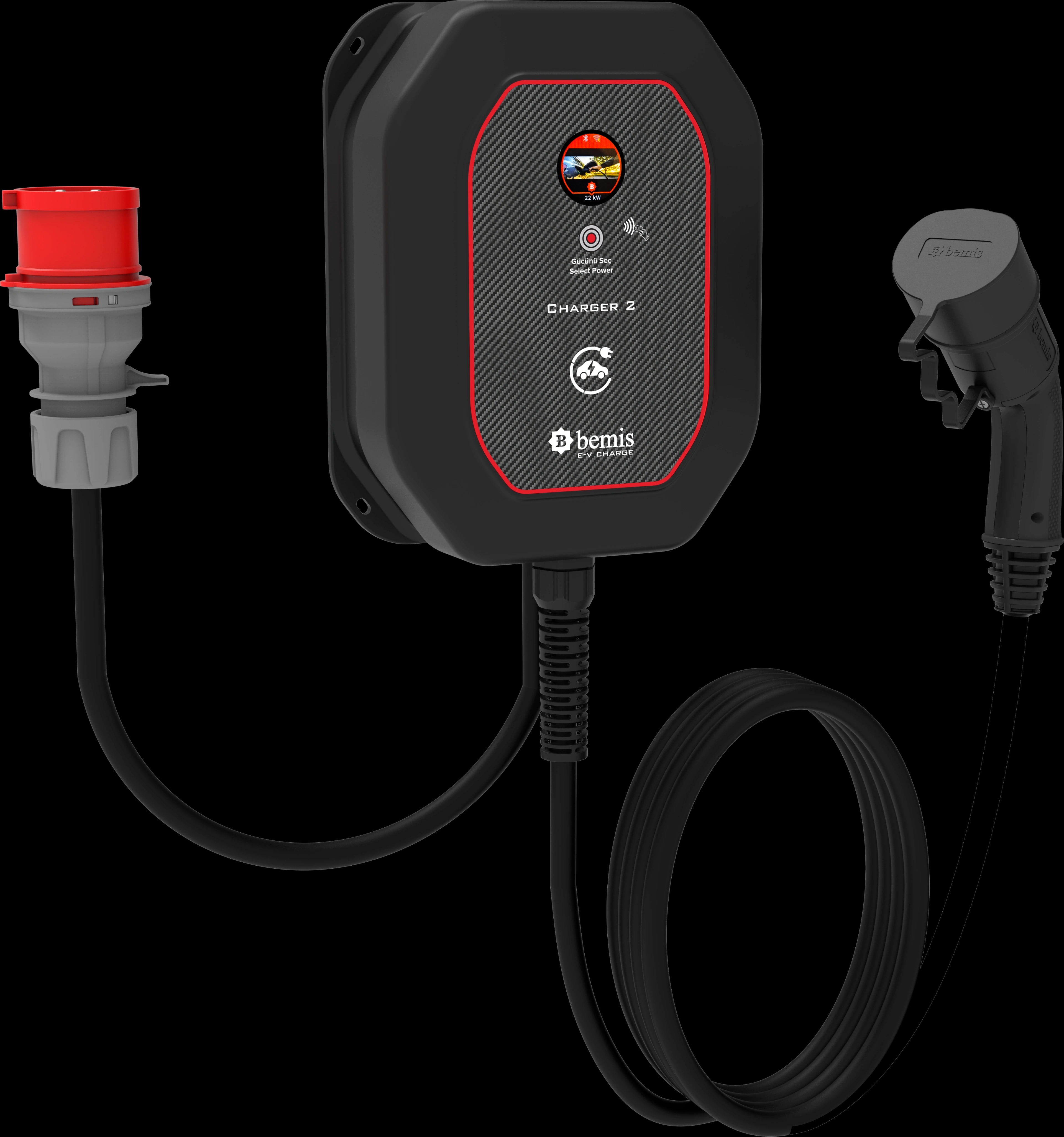
On an outdoor unit, what keeps the protection rating intact is the gaskets and covers as much as the housing itself. Points to check: the lid gasket is not crushed or dislodged, cable glands are tight, and any ventilation opening is not blocked. In the Bemis home AC series, the Charger 2 and Charger Pro 2 with a display are rated IP65 and the Charger Plus 2 with LED indicators IP66; the BEVDC series is rated IP54; these ratings apply while the unit is closed and its gaskets are sound.
Software and records
On units used in shared areas or businesses, the checklist does not end with physical items. On a device managed over OCPP, make sure the connection has not dropped, that records are being kept properly and that authorisation cards are up to date. An RFID card belonging to someone who has left the company still showing as authorised is a non-technical but very real problem. If a management panel with per-user reporting is in use, reading the monthly consumption report also gives an early fault signal: if one point's consumption drops unexpectedly, that unit may have an issue.
Practical checklist
- Any darkening, burn marks or cracks on the connector pins?
- Any crushing, cuts or sharp bend marks in the cable sheath?
- Does the residual current device trip when the test button is pressed?
- Are the lid gasket and cable glands sound and tight?
- Any impact damage, water ingress or corrosion on the housing?
- Do the display and status lights work normally, or show an error?
- Are authorisation cards current, and have departed users been removed?
- Are charging records and the consumption report within the expected range?
When should you call service?
If the unit does not start charging, cuts out repeatedly on its own, shows a persistent error on the display, trips the residual current device again and again, or the connector feels hot, there is nothing left for the user to do. In these cases the unit should be left de-energised and authorised service contacted. Bemis products come with a 2-year manufacturer warranty; on our support page you will find step by step what to do for each symptom and which details are needed when you get in touch.
If your unit is not working, start with the quick check here.
Fault and warranty supportFrequently Asked Questions
Does an electric vehicle charging station need maintenance?
Yes, but this maintenance is a regular inspection rather than a complex procedure. The only moving part of the unit is the connector and wear largely starts there; darkening on the pins, crushing in the cable sheath and a loose locking latch are the items to look for by eye. Alongside that, confirming the residual current device works using its test button and, on outdoor units, checking that the lid gasket and cable glands are sound is recommended. Any task that requires opening the unit belongs to a qualified person; the user side is limited to the outside of the housing.
How often should a charger be checked?
Usage intensity is what decides. A home wallbox used once a day and a unit in an apartment car park plugged in and out several times a day do not wear at the same rate. The practical approach is to repeat the visual connector and cable check at regular intervals matched to usage, and never to skip the residual current device test. On units in shared areas or businesses, assigning the check to one named person is the healthiest arrangement; on unattended units a small amount of wear turns into a fault before anyone notices.
What happens if the charging connector wears out, is it replaced?
Connector wear shows itself first as contact quality rather than performance: charging cuts out frequently, the connection feels loose, or darkening appears on the pins. Continuing to use it with these symptoms can lead to heating and greater damage, so the assessment should be left to authorised service. Using a holster that keeps the cable off the ground prevents the connector from falling and noticeably delays this wear. On DC stations the cable set is in any case planned as a part that may be replaced over the station's life.
Is the charger's software updated?
On units that work connected to a management system over the OCPP protocol, the software side is also part of the checklist. What matters here is not only updates but that the connection has not dropped and that records are being kept properly, because if billing or per-user tracking is in use, a lost record creates a direct problem. On the authorisation side the user list must be kept current; a departed user whose card still shows as authorised is a non-technical but very real gap. These operations are carried out through the management panel without opening the unit.
Featured Products
Solutions we manufacture in our own facility, related to this guide.

Let's choose the right product together
Not sure which product fits your vehicle and electrical installation? Get in touch and our authorised dealer or sales team will guide you.
- Manufacturing in our own facility since 1994
- CE-certified product family
- 2-year manufacturer warranty
- +90 542 773 72 94 trade@bemis.com.tr
