EV Charging Terminology Glossary
The electric vehicle world has a vocabulary all its own: AC or DC, Type 2 or CCS2, are kW and kWh the same thing? This glossary brings together the terms you'll most often encounter in EV charging with short, clear, no-nonsense definitions. We've grouped the terms by topic so you can quickly find the concept you're looking for.
AC & DC Basics
AC Charging
In AC (alternating current) charging, converting the current into the direct current (DC) the battery needs is done by the charger built into the vehicle. It's suitable for home and workplace use; it's slow to medium speed (typically 7.4–22 kW) and, in Turkey, uses the Type 2 connector.
DC Charging
In DC (direct current) charging, the conversion is done inside the station and high power is delivered straight to the battery. It's fast charging (50–350+ kW), usually found at public points, and in Turkey uses the CCS2 connector.
Onboard Charger
The unit inside the vehicle that converts AC to DC, and it caps the vehicle's AC charging speed. Most vehicles charge at a maximum of 11 kW AC; some models support 7.4 kW or 22 kW.
Connectors & Cables
Type 1 (SAE J1772)
A single-phase AC charging connector, focused on North America and Japan. It's not widely used in Turkey.
Type 2 (Mennekes, IEC 62196-2)
The AC charging standard for Europe and Turkey. It supports both single-phase and three-phase charging.
CCS2 (Combined Charging System / Combo 2)
The Type 2 connector with two DC pins added beneath it. It's the DC fast-charging standard for Europe and Turkey.
CHAdeMO
A DC fast-charging standard of Japanese origin. Its use in Europe is steadily declining.
GB/T
China's charging standard, which uses separate connectors for AC and DC.
Mode 2
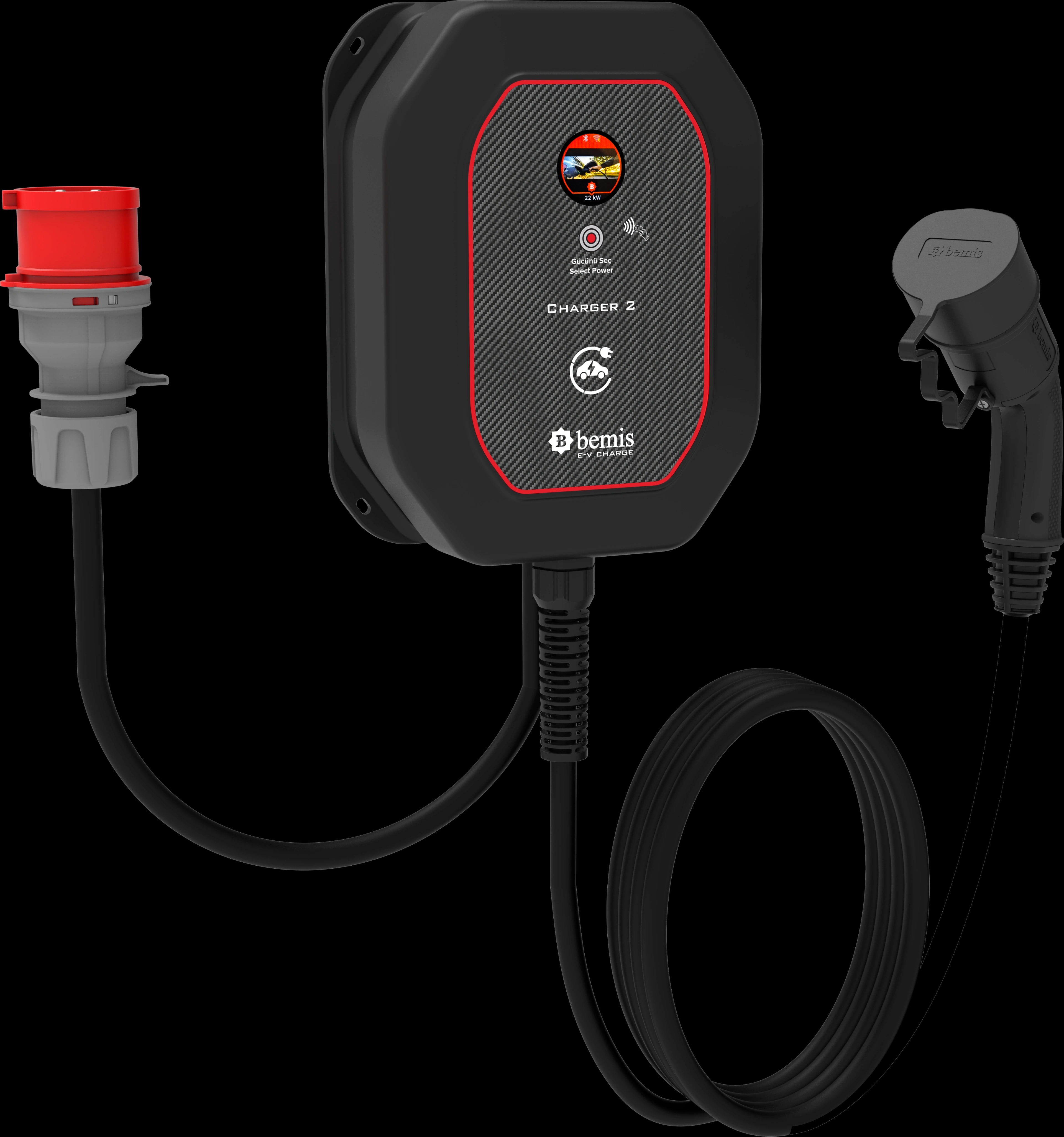
A portable charging cable that plugs into a socket and has a control box called an IC-CPD on it. It operates at low to medium power.
Mode 3
A cable connected to a fixed charging station (wallbox). It provides safer charging at higher power than Mode 2.
Power & Speed
kW (Kilowatt)
Expresses power, that is, the instantaneous charging speed. It shows how quickly the device is delivering energy to the battery at that moment.
kWh (Kilowatt-hour)
Expresses energy; it indicates battery capacity or the amount of electricity delivered to the vehicle. Roughly, charging time = kWh ÷ kW.
Single-Phase
A single-phase electrical connection that typically provides up to 7.4 kW in AC charging.
Three-Phase
A three-phase electrical connection that can provide 11 kW or 22 kW in AC charging.
Wallbox
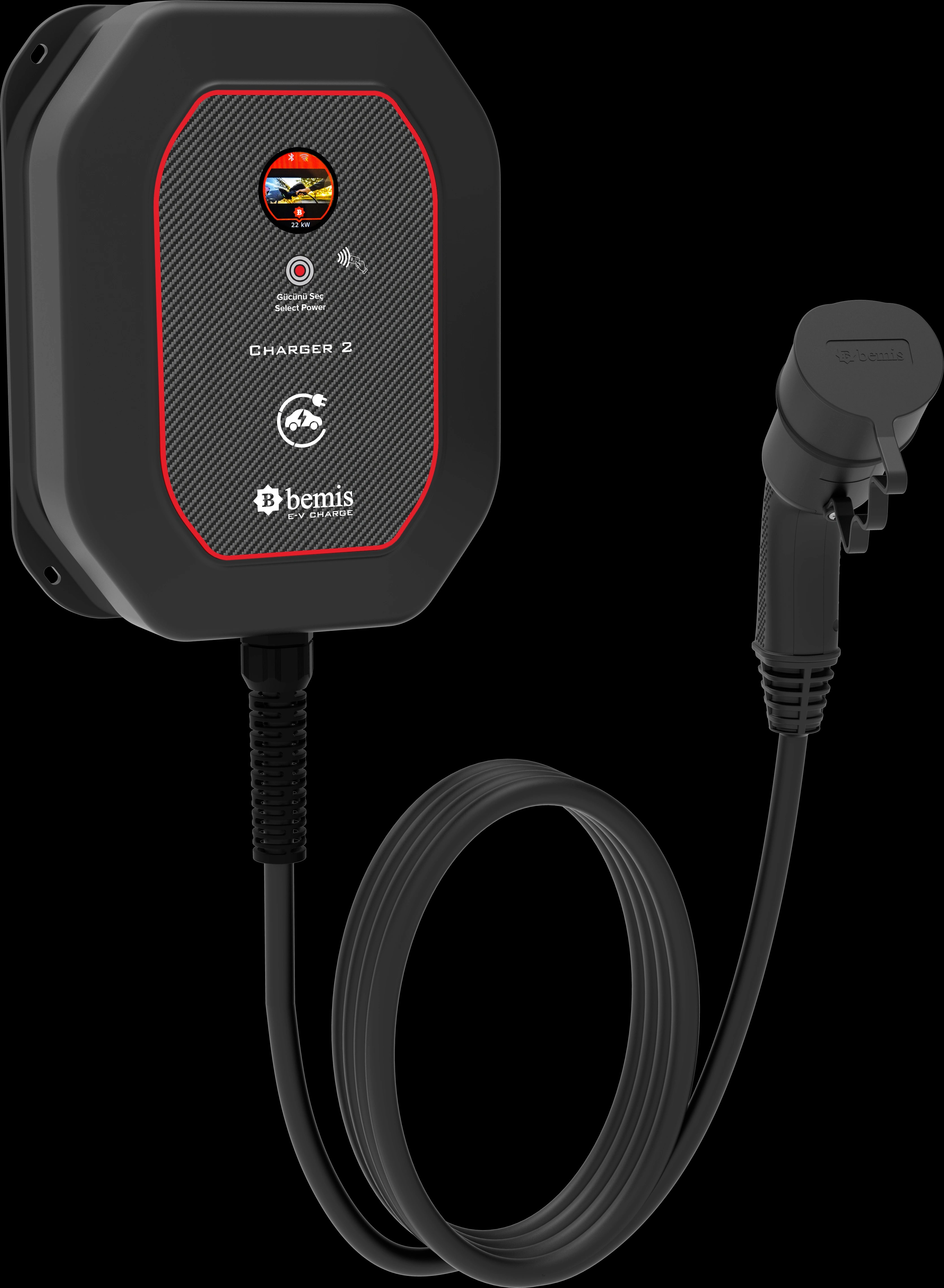
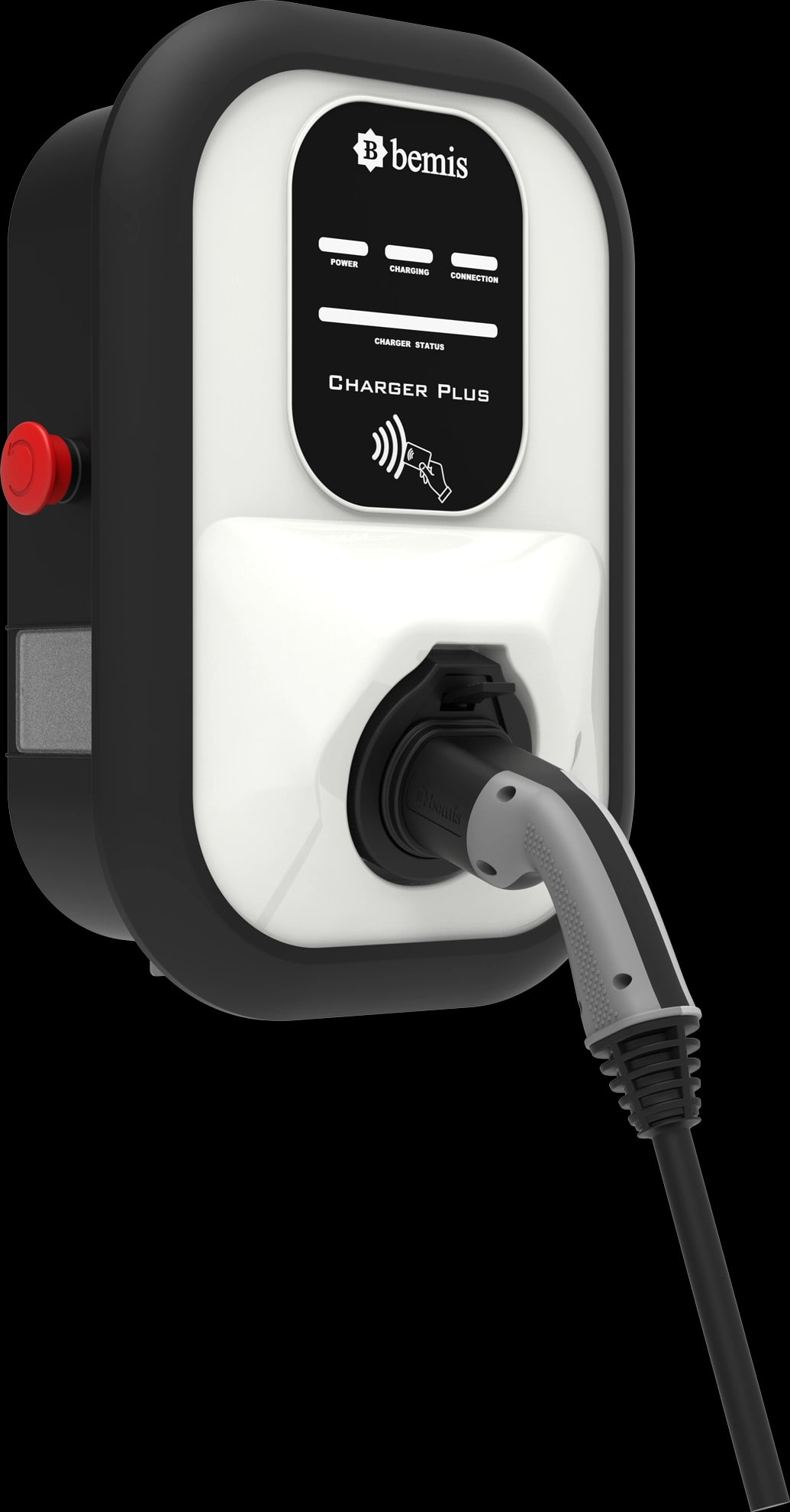
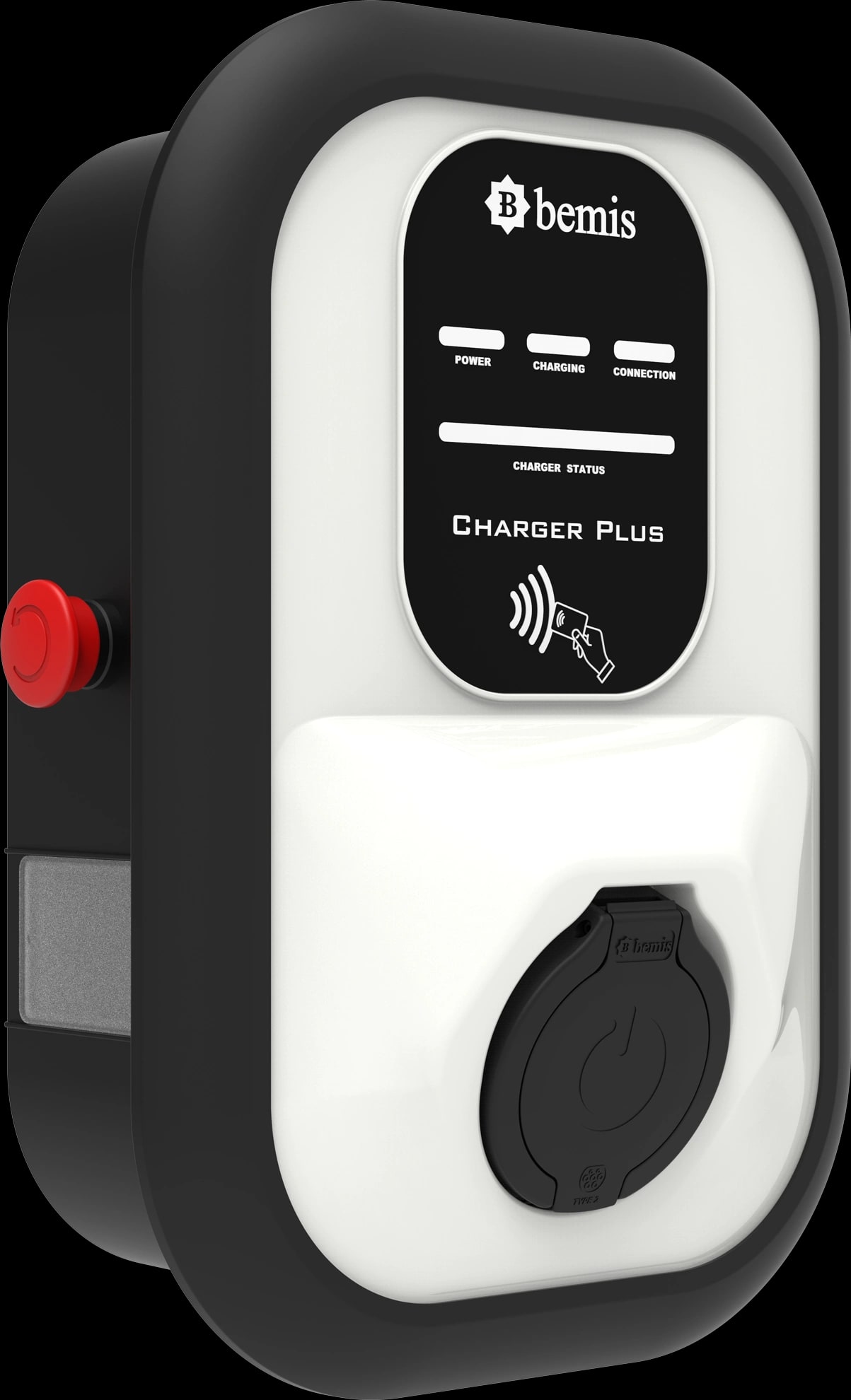
A wall-mounted AC charging station. It's designed for home and workplace use.
SoC (State of Charge)
The battery's current charge percentage.
Taper
The marked slowdown in charging speed on DC fast charging after the battery passes 80%. It's applied to protect the battery.
Energy Direction: V2L, C2L, V2G
V2L (Vehicle-to-Load)
A feature that lets the vehicle battery supply electricity to external devices or to the home.
C2L (Charger-to-Load)
Provides electricity transfer much like V2L; this transfer takes place through the charging device.
V2G (Vehicle-to-Grid)
Feeding electricity from the vehicle battery back into the power grid.
Smart Charging (OCPP, etc.)
OCPP (Open Charge Point Protocol)
The open communication protocol between a charging device and a central management system. It enables functions such as remote monitoring, load management and per-user billing.
CSMS (Charging Station Management System)
The central software that manages charging points remotely.
Load Management (Load Balancing / Dynamic Load Balancing)
A method of sharing the available electrical capacity among devices. It allows several vehicles to charge without exceeding the installation's capacity.
RFID / NFC
A method of authorising a charging session by card or contactless reading.
Protection & Safety
IP65 / IP66
Indicates the device's protection rating against dust and water. These ratings denote suitability for outdoor use.
A quick reminder: kW is the speed of charging, while kWh is the amount of energy delivered. You can roughly find the duration by dividing kWh by kW.
Bemis E-V Charge is the Bursa-based EV charging brand of Bemis Teknik Elektrik A.Ş., a manufacturer since 1994. You can see how the concepts in this glossary translate into real products across the AC Wallbox (3.7–22 kW), Type 2 cable (Mode 2 and Mode 3), V2L/C2L and CCS2 DC unit product families; all are CE marked, while the protection rating and OCPP support depend on the model.
To see how these terms translate into real products, take a look at the Bemis E-V Charge product family.
Explore ProductsFrequently Asked Questions
What is Type 2?
Type 2 (Mennekes, IEC 62196-2) is the connector type that is the AC charging standard for Europe and Turkey. Its most important feature is that it supports both single-phase and three-phase charging; this allows it to be used at different power levels from 7.4 kW up to 22 kW, depending on your installation. In Turkey, this is the standard connector you'll come across in home and workplace AC charging, and it's used on wall-mounted AC charging stations (wallboxes) and on Type 2 cables. In other words, Type 2 is the connector you'll deal with most often in day-to-day charging. In addition, CCS2, the DC fast-charging standard, is built on top of Type 2, with two DC pins added beneath this connector.
What does OCPP do?
OCPP (Open Charge Point Protocol) is the open communication protocol between a charging device and a central management system (CSMS). A CSMS is the central software that manages charging points remotely. The fact that the protocol is open allows devices from different manufacturers to speak a common language. Thanks to it, functions such as remote monitoring, load management and per-user billing become possible; that is, you can track a charging point remotely, share the available capacity among devices, and measure who charged how much. It can also be used together with RFID/NFC card authorisation. These features become especially important in workplace, building and fleet installations where several devices are managed.
What is the difference between Mode 2 and Mode 3?
Mode 2 is a portable charging cable that plugs into a standard socket and has a control box called an IC-CPD on it; it operates at low to medium power and, thanks to its flexibility, is handy for emergency or temporary charging. Mode 3 is a cable connected to a fixed charging station (wallbox). Mode 3 provides charging that is both safer and at higher power than Mode 2; this is why the preferred method for regular, permanent use at home or work is Mode 3. In short, Mode 2 suits portability, while Mode 3 suits safe, fast fixed charging.
What is the difference between kW and kWh?
kW (kilowatt) expresses power, that is, the instantaneous charging speed; it shows how quickly the device is delivering energy to the battery at that moment. kWh (kilowatt-hour) expresses energy; it indicates battery capacity or the amount of electricity delivered to the vehicle. You can tell them apart like this: kW is like the flow rate of a tap, while kWh is like the total amount of water that fills up after the flow. From this relationship you can also roughly calculate charging time: the duration is found approximately by dividing the energy to be delivered (kWh) by the charging power (kW). For example, dividing 22 kWh of energy by 11 kW of power gives a charging time of roughly 2 hours; this is why it's important not to confuse these two units.
What is the difference between AC and DC charging?
In AC (alternating current) charging, converting the current into the direct current (DC) the battery needs is done by the vehicle's onboard charger. This onboard unit also caps the AC charging speed. That's why AC charging is generally slow to medium speed (7.4–22 kW), is suitable for home and workplace, and in Turkey uses the Type 2 connector. In DC (direct current) charging, the conversion is done inside the station and high power is delivered straight to the battery; that means fast charging (50–350+ kW). DC is usually found at public points and, in Turkey, uses the CCS2 connector.
What is CCS2?
CCS2 (Combined Charging System / Combo 2) is the Type 2 connector with two DC pins added beneath it, and it is the DC fast-charging standard for Europe and Turkey. Thanks to this design, the same connector area can house both AC and DC connections; in practice, many vehicles have Type 2 (AC) on top and CCS2 (DC) below together. CCS2 should be thought of not as a rival to Type 2 but as its extended version for DC. Because the conversion is done inside the station in DC charging, high power is delivered straight to the battery. When taking a high-power charge at a public fast-charging station in Turkey, the connector you'll come across will most likely be CCS2.
What does V2L mean?
V2L (Vehicle-to-Load) is the feature that lets the vehicle battery supply electricity to external devices or to the home; in other words, it lets you use your vehicle as a kind of portable power source. This is one of the solutions where the direction of energy flows outward from the vehicle. Working on a similar logic, C2L (Charger-to-Load) provides the same kind of electricity transfer through the charging device. A more advanced concept, V2G (Vehicle-to-Grid), is feeding electricity from the vehicle battery straight back into the power grid. So while V2L sends energy from the vehicle battery and C2L from the charger to external devices, in V2G the energy stored in the vehicle battery is returned to the grid. In short, V2L is a practical feature that opens up the vehicle's energy for everyday use.
Featured Products
Solutions we manufacture in our own facility, related to this guide.
Let's choose the right product together
Not sure which product fits your vehicle and electrical installation? Get in touch and our authorised dealer or sales team will guide you.
- Manufacturing in our own facility since 1994
- CE-certified product family
- 2-year manufacturer warranty
- +90 542 773 72 94 trade@bemis.com.tr
