Car guide
Ford Puma Gen-E Home Charging: Time, Cost and the Right Charger
The Ford Puma Gen-E's onboard AC charger takes 11 kW as standard. At home, charging from 20% to 80% with an 11 kW charger takes: Premium 123 kW (43 kWh) 2 h 36 min. A 22 kW charger will not charge this car any faster. Charging at home costs about £3.74 per 100 km at UK household prices.
- Onboard AC charger
- 11 kW
- DC peak power
- 100 kW
- Battery capacity
- 43 kWh
- V2L (vehicle-to-load)
- No
Ford Puma Gen-E versions
| Version | Battery capacity | Onboard AC | DC peak power | Average consumption |
|---|---|---|---|---|
| Premium 123 kW | 43 kWh | 11 kW | 100 kW | 14.2 kWh / 100 kmWLTP |
Values come from the manufacturer's technical data for the Turkish market. WLTP consumption is measured at the grid and includes charging losses; the cost calculation counts this loss only once.
Versions and values refer to the models sold in Türkiye; equipment and charging power can differ in your country.
Home charging time (20% to 80%)
Charging speed is set by the car's onboard AC charger, not by the wallbox. The Ford Puma Gen-E takes at most 11 kW with the standard unit; a more powerful charger cannot exceed this limit.
| Charger | Premium 123 kW43 kWh |
|---|---|
| 3.7 kWSingle-phase 16 A | 7 h 45 min |
| 7.4 kWSingle-phase 32 A | 3 h 52 min |
| 11 kWThree-phase 16 A | 2 h 36 min |
| 22 kWThree-phase 32 A | 2 h 36 minCar takes 11 kW |
Charging cost
| Where | Unit price | 100 km |
|---|---|---|
| At home (Ofgem price cap) | £0.26/kWh | £3.74 |
| Public AC charging (average) | £0.54/kWh | £7.67 |
| Public DC rapid charging (average) | £0.77/kWh | £10.70 |
One home charge from 20% to 80%
- Premium 123 kW£7.55
Household price £0.26/kWh (Ofgem, 10.2026), 90% charging efficiency.
Bemis chargers for the Ford Puma Gen-E
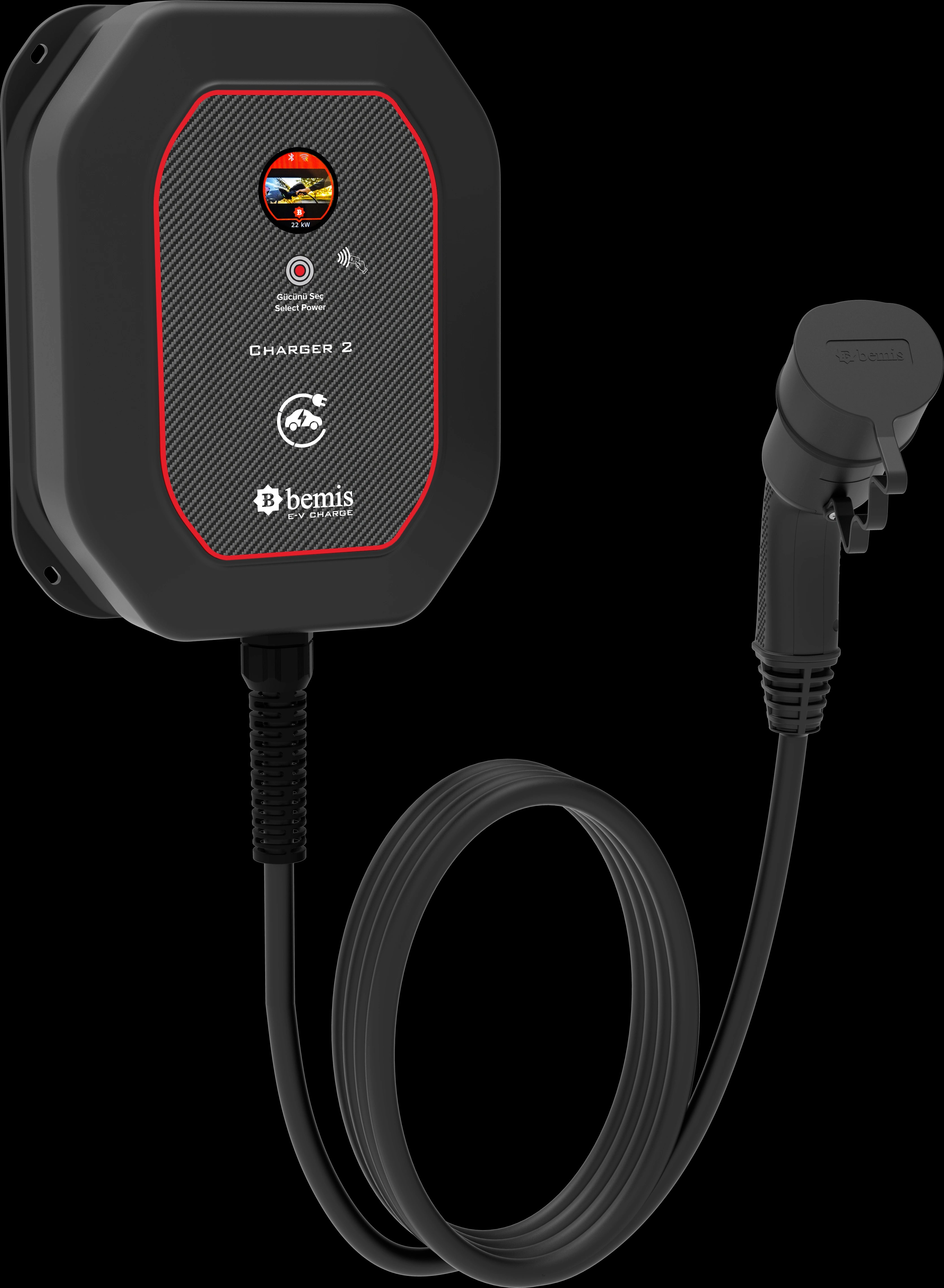 Charger 25m. Wired · 3,7 - 22 kW / 32AWallbox for home: app, RFID card and scheduled charging; on a three-phase supply it delivers the 11 kW the car takes.View product
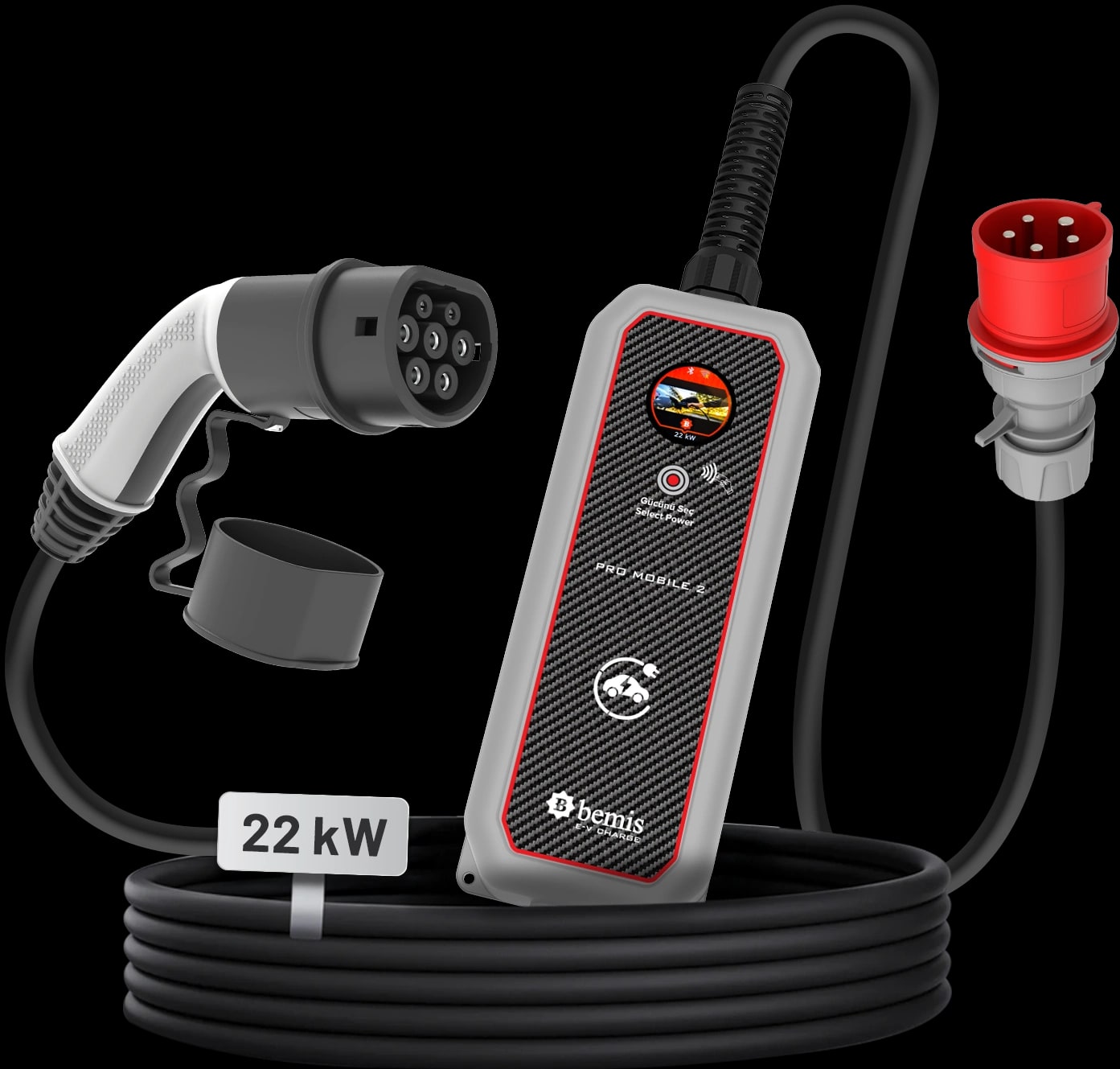 Pro Mobile 2Three Phase · 3,7 - 11 kW · 5 mOn the road and at holiday homes: 11 kW from a red industrial socket, the highest AC power the car can take.View product
Does the Ford Puma Gen-E support V2L?
According to EV Database, the Ford Puma Gen-E does not support V2L (vehicle-to-load). For camping or site work, C2L adapters that take power from a charging point work independently of the car.
V2L and C2L adaptersFrequently asked questions
- How long does the Ford Puma Gen-E take to charge at home?
- From 20% to 80%: with an 11 kW charger Premium 123 kW (43 kWh) 2 h 36 min; with a single-phase 7.4 kW charger Premium 123 kW (43 kWh) 3 h 52 min; with a 3.7 kW (16 A single-phase) portable charger Premium 123 kW (43 kWh) 7 h 45 min. Times depend on the car's onboard AC charger and the battery's state of charge.
- Which charger is right for the Ford Puma Gen-E?
- Because the car's onboard AC charger takes 11 kW as standard, a three-phase 11 kW wallbox at home gives the fastest charging the car can accept. On a single-phase supply, a 7.4 kW wallbox is usually enough for everyday use.
- Does a 22 kW charger charge the Ford Puma Gen-E faster?
- No. The Ford Puma Gen-E takes at most 11 kW AC; a 22 kW charger gives this car the same power. A 22 kW charger only makes sense for a future car that supports 22 kW or for shared use.
- How much does it cost to charge the Ford Puma Gen-E at home?
- At the Ofgem price cap (£0.26/kWh, 10.2026) 100 km costs about £3.74. At public AC chargers you pay about £7.67 on average, at DC rapid chargers about £10.70. Tariffs with cheaper night rates lower the cost further.
- Does the Ford Puma Gen-E support V2L?
- According to EV Database, the Ford Puma Gen-E does not support V2L (vehicle-to-load). For camping or site work, C2L adapters that take power from a charging point work independently of the car.
Sources: vehicle data: the manufacturer's technical documents for the Turkish market; V2L information: EV Database (ev-database.org); household price Ofgem (10.2026), public charging average Zapmap (08.2026). Time and cost are calculated with the same method as our calculator (90% charging efficiency); real values vary with temperature, battery state of charge and the electrical installation.
Other cars:Togg T10XTogg T10FTesla Model YKia EV3KGM Torres EVXMini CountrymanVolvo EX30Opel Frontera ElectricCitroën ë-C3 AircrossCitroën ë-C3BMW iX1BMW iX3Volvo EX40BYD Sealion 7Mercedes-Benz CLATesla Model 3BYD Atto 3BYD Seal UHyundai Ioniq 5BYD DolphinMercedes-Benz EQBHyundai Ioniq 6BYD SealBYD Atto 2Kia Niro EVŠkoda ElroqKia EV2Fiat Grande PandaMercedes-Benz GLCMercedes-Benz GLBBMW i5Kia EV6Volkswagen ID.4Peugeot e-208Peugeot e-2008Peugeot e-3008Peugeot e-5008Peugeot e-308Opel Corsa ElectricOpel Mokka ElectricCitroën ë-C4Kia EV9Škoda EnyaqBMW i4MG4Hyundai Kona ElectricHyundai InsterRenault Megane E-TechRenault Scenic E-TechRenault 5 E-TechBYD TangFiat 600eFiat 500eJeep AvengerOpel Grandland ElectricCitroën ë-C5 AircrossHyundai IONIQ 9Volkswagen ID.7Volkswagen ID. BuzzCupra BornFord ExplorerFord CapriVolvo ES90Volvo EC40Mercedes-Benz EQEMercedes-Benz EQSBMW iXBMW i7BMW iX2Audi Q4 e-tronAudi Q6 e-tronAudi e-tron GTAudi A6 e-tronPorsche TaycanPorsche Taycan Cross TurismoPorsche Macan ElectricNissan AriyaHonda e:Ny1Renault ZoeVolkswagen ID.3Volkswagen ID.5Polestar 2Volvo EX90Mercedes-Benz EQAMercedes-Benz EQCMG ZS EVAudi Q8 e-tronCharging power of all cars